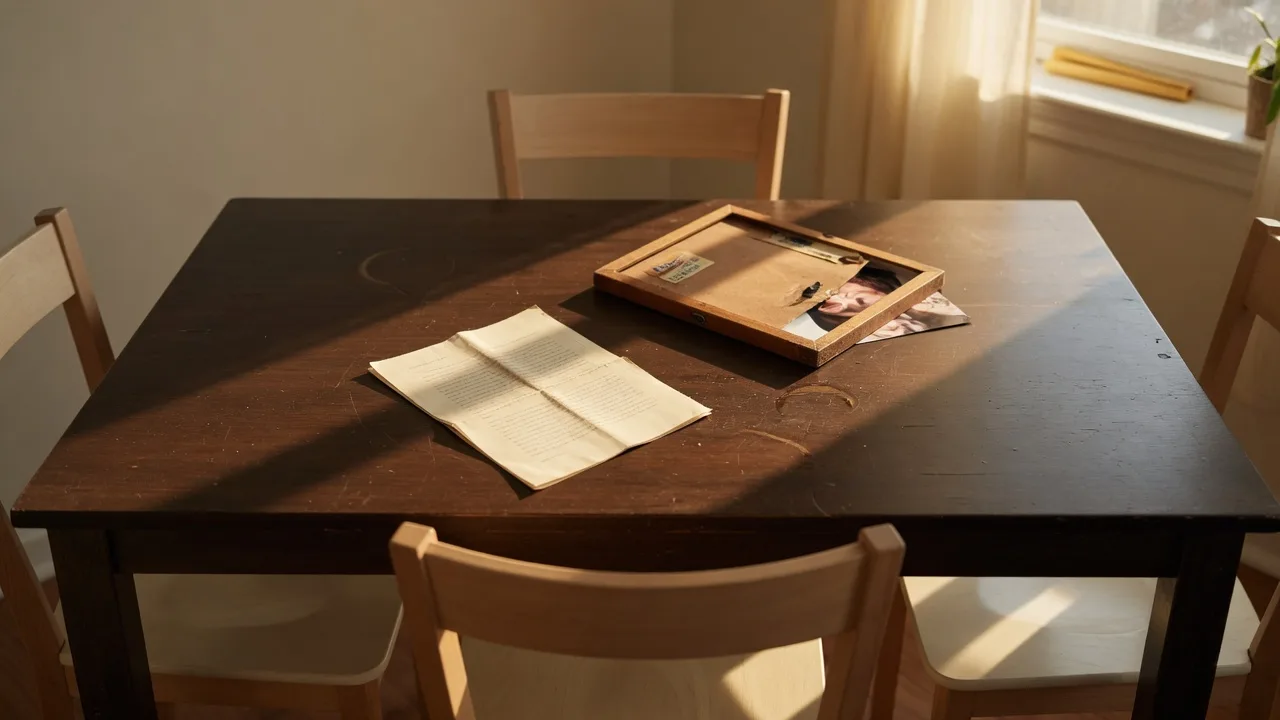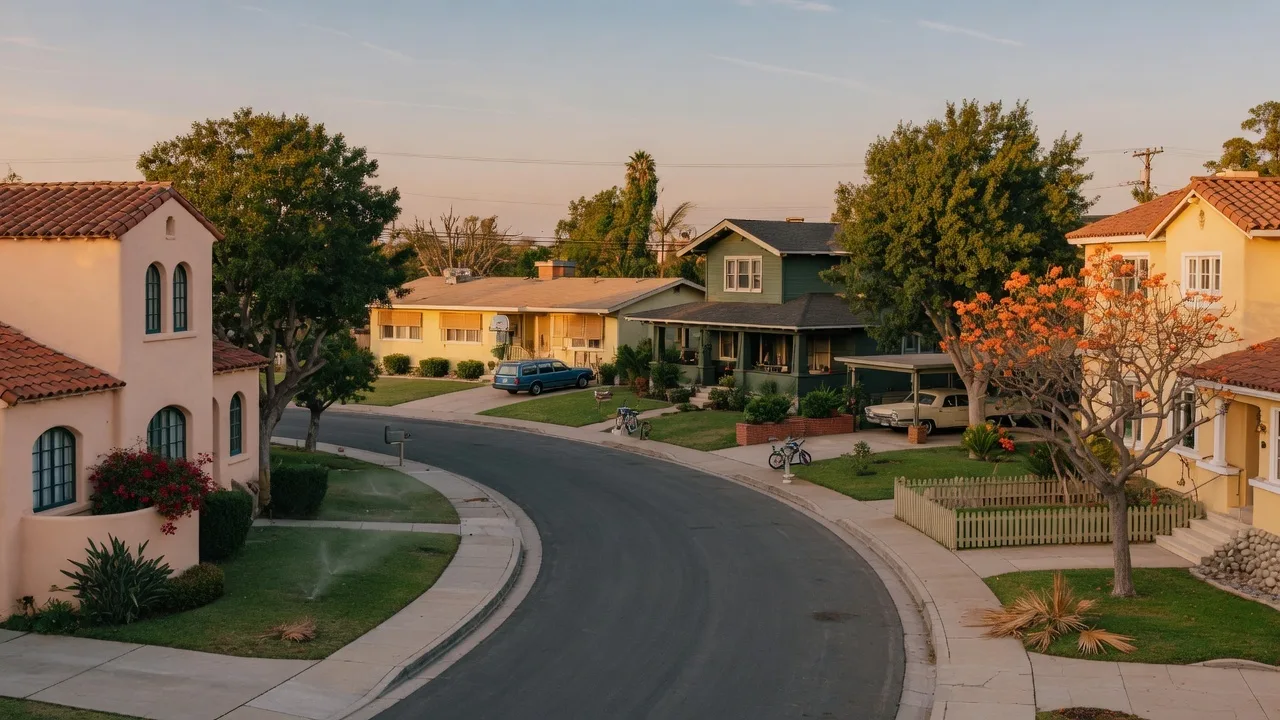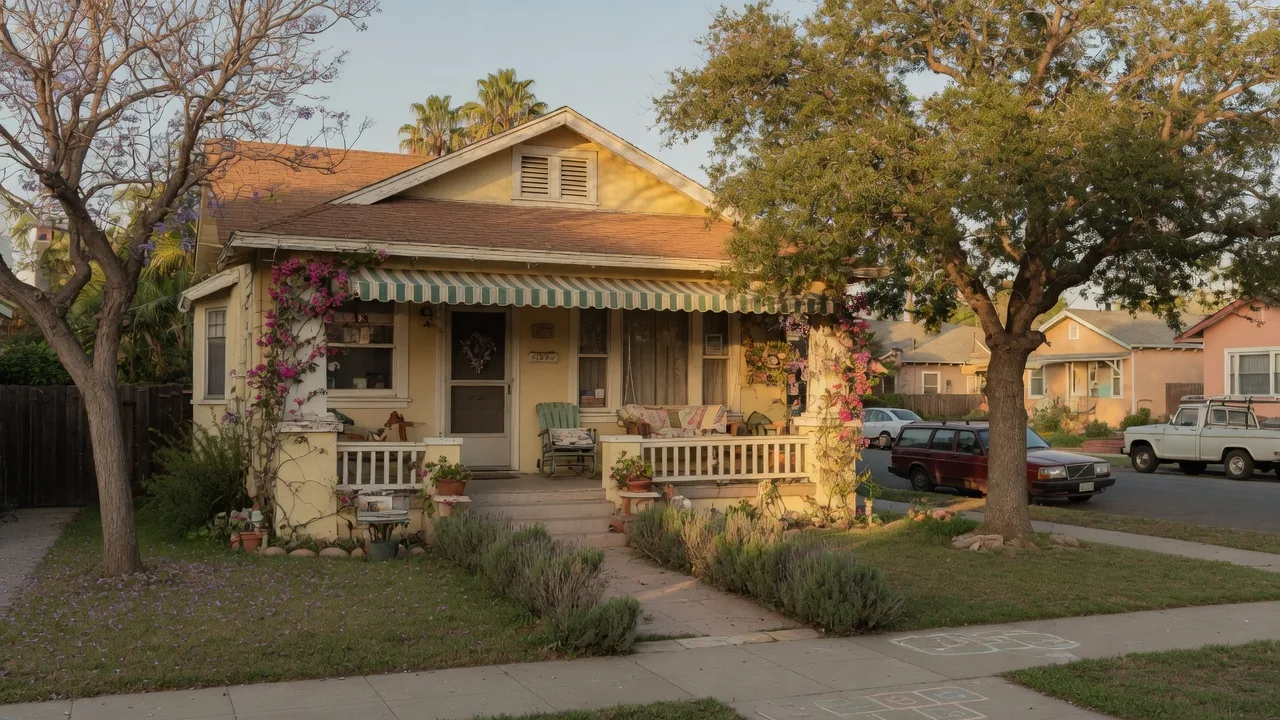
The family home is never just a house. It is the kitchen where holiday meals were shared, the backyard where children learned to ride bikes, the front porch where a parent waved goodbye one last time. When that home enters probate, the emotional weight can make even practical decisions feel overwhelming.
In 25 years of helping Los Angeles families through probate, I have sat at kitchen tables where grown adult children could not look at their mother's china without crying. I have watched siblings argue fiercely not about money but about who should keep the dining room table. And I have seen families find a way through — with patience, communication, and the right support.
If you are facing the emotional side of an inherited property right now, I want you to know something: what you are feeling is normal. The memories that make this hard are also the memories that make it meaningful. Here is how to honor both the heart and the math.
Why the Family Home Hits Different
There is a reason inherited real estate carries more emotional weight than other assets. A bank account is numbers on a screen. Stocks are certificates in a file. But a home holds physical reminders of the person who lived there — their furniture, their garden, the scuffed floorboard in the hallway.
In my experience, the hardest cases are not the ones with the most debt or the most complicated legal issues. They are the ones where the family cannot separate love for their parent from the decision about what to do with the house. One daughter once told me, "If I sell this house, it feels like I am selling my mom." That feeling is real. And it deserves to be acknowledged, not dismissed.
At the same time, the probate process does not pause for grief. The court moves forward on its timeline. Property taxes, insurance, utilities, and maintenance costs keep accruing. And in Los Angeles County, where probate cases can stretch 9 to 18 months or more, letting emotion freeze you into inaction can cost the estate thousands of dollars.
Four Common Emotional Scenarios in LA Probate
1. "I Cannot Bear to Walk Through the Door"
Some family members find it so painful to enter the home that they avoid it entirely. The property sits untouched for months. Mail piles up. The yard goes untended. Vandals or squatters become a real risk, especially in Los Angeles neighborhoods where vacant properties attract unwanted attention. If this sounds like you, consider asking a trusted friend, a sibling, or a professional to handle the initial walkthrough. You do not have to do it alone.
2. "I Want to Keep It, and My Sibling Wants to Sell"
This is the single most common conflict I encounter. One sibling has the financial means and emotional desire to keep the home. The other needs the cash from the sale and has no attachment to the property. Under California law, any co-owner can petition for a partition sale, which essentially forces the sale of the property regardless of the other owner's wishes. The legal system treats the home as an asset, not a sentiment.
The healthiest approach is to have the honest financial conversation early. Can the sibling who wants to keep the home afford to buy out the other siblings at fair market value? What would the monthly carrying costs look like after Proposition 19's property tax reassessment? Putting real numbers on the table often clarifies what is possible versus what is wishful.
3. "I Already Live Here, and Now Everything Feels Different"
When a co-heir has been living in the inherited home — especially if they were a caregiver during the parent's final years — the dynamics shift dramatically. The person living there may feel entitled to stay. The siblings who do not live there may feel the resident sibling has already had an unfair advantage. California probate law provides for an accounting of rent and expenses if one co-owner occupies the property, which can add another layer of tension to an already strained relationship.
4. "Every Item Feels Too Precious to Let Go"
The contents of the home can trigger just as much emotion as the house itself. I have seen families spend months fighting over a set of vintage dishes or a piece of costume jewelry that has no real market value. California probate law requires that the personal representative inventory and value the estate's tangible personal property. Disputes over personal items can delay the entire probate process. Sometimes the kindest thing a family can do is agree to donate the items no one truly wants and divide only the pieces that carry real meaning.
A Practical Framework for Making the Decision
When emotion is clouding the path forward, I ask families to walk through three questions. Take your time with each one.
1 What Can We Actually Afford?
Property taxes, homeowners insurance, utilities, HOA fees, maintenance, and potential mortgage payments — add them all up. In Los Angeles County, the average carrying cost for a single-family home can easily exceed $1,500 to $3,000 per month before any mortgage. Can the estate or the heirs sustain that? For how long?
2 What Would Mom or Dad Have Wanted?
This question often cuts through the noise. Most parents do not want their children fighting over a house. They want their kids to be okay. If your parent was practical, they probably wanted you to make the smartest financial decision, not the most sentimental one. If they loved the home deeply, maybe the best way to honor them is to pass it to a family who will love it just as much.
3 What Does Each Person Actually Need?
Separate need from want. One sibling may need the liquidity to buy a home of their own. Another may need the rental income. A third may need closure. When everyone is honest about their needs rather than their positions, compromise becomes possible.
"Everything is in Divine Order. The home held the memories, but the memories live in you, not in the walls. Trust the process and give yourself grace to let go."— Toni Patillo
What the Probate Process Actually Requires
Understanding the legal timeline can help you make decisions with your head as well as your heart. In Los Angeles County Superior Court, the probate process generally follows this schedule:
- Month 1 — Petition filed with the court at the Stanley Mosk Courthouse downtown.
- Months 2–3 — Court appoints the executor or administrator. Inventory process begins.
- Months 4–6 — Creditor claims period. Property appraisal by a court-appointed probate referee.
- Months 7–12+ — Sale, distribution, and estate closing. Court confirmation required unless the executor has IAEA authority.
That is a long time to carry the emotional weight of an unoccupied family home. One of the kindest things you can do for yourself is to start making progress — even small progress — early. A decision made with thought and care is almost always better than a decision made under pressure six months from now.
How to Honor the Memories While Moving Forward
Over the years, I have watched families create beautiful rituals that help them transition through this process. Here are a few that have stayed with me:
- Take one last family photo — all the siblings, in the living room, just like the old days. Capture the space while it is still yours.
- Hold a "memory tour" — walk through each room and share one story. Write the stories down. Keep the stories, not the stuff.
- Plant something from the garden — take a cutting, a seedling, or a handful of soil and transplant it somewhere new. The garden lives on.
- Keep one meaningful object per person — agree as a family that each person chooses one thing that matters most. Everything else can be let go with grace.
You Are Not Alone in This
The hardest part of probate is almost never the paperwork. It is the feeling of being alone in a process that does not account for love. But there are professionals who understand both the legal side and the human side — probate attorneys, real estate specialists, mediators, and counselors who have walked this path with hundreds of families.
Whatever is not in alignment will be purged, as I often say. That includes the emotional weights we carry that no longer serve us. The house was a vessel for love, but the love does not go away when the house does. It goes with you.
If you are in the thick of this right now, take a breath. You have more time than you think. And you have more resources than you know. Reach out. Ask questions. Let someone walk beside you.
Stay Informed on Probate Real Estate
Delivered to your inbox.
Probate tips, court updates, and practical guidance for Los Angeles families. No spam, just clarity.

Written by Toni Patillo
Broker Associate · Certified Probate Specialist · 25+ Years Experience
Need help navigating the emotional and financial side of an inherited property?
Toni specializes in helping Los Angeles families work through probate real estate decisions with clarity, compassion, and practical strategy.