If you've been appointed executor or administrator of an estate in Los Angeles County and there's a property to sell, you're probably wondering: where do I even start? The probate real estate sale process in California has its own rules, its own timelines, and its own language — and in LA County specifically, the court system adds its own set of complexities.
After 25+ years of guiding families through probate real estate situations, I've walked hundreds of people through this exact process. So let me break it down clearly, step by step — and I'll flag the most common pitfalls along the way.
What's New: California AB 2016 (Effective April 1, 2025)
California recently raised the thresholds for simplified probate transfers. Under AB 2016, the primary residence transfer threshold increased from $184,500 to $750,000, and the small estate affidavit threshold went from $184,500 to $208,850. This means more families may be able to transfer a primary residence without full probate — but the simplified process still requires a court petition, not just paperwork. For properties valued above $750,000 (which is most of Los Angeles County), the full probate process still applies.
Step 1: Open Probate and Get Your Letters
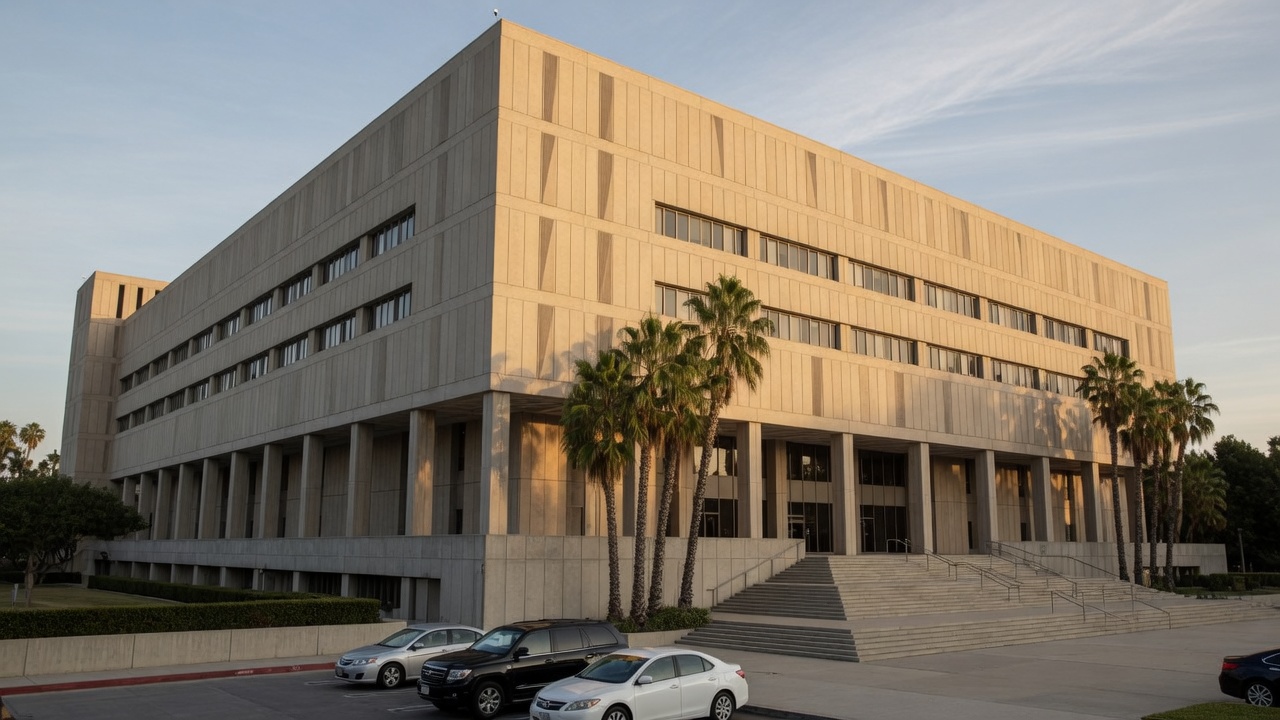
Before you can sell anything, you need legal authority. That starts with opening a probate case at the Stanley Mosk Courthouse (111 North Hill Street, Los Angeles) in Department 11. You'll file a Petition for Probate (Judicial Council Form DE-111) along with the original will, if one exists.
Filing fees range from $435 to $935, depending on the estate's gross value. Once the court approves your petition — typically within six to ten weeks in LA County — you'll receive Letters Testamentary (if there's a will) or Letters of Administration (if there isn't). These letters are your legal proof that you have the authority to act on behalf of the estate.
Critical detail: At this stage, your probate attorney should also request Independent Administration of Estates Act (IAEA) authority. This one decision significantly impacts how quickly and smoothly the property sale can proceed.
Step 2: Understand IAEA Authority — Full vs. Limited
The IAEA (California Probate Code §§10400–10564) is one of the most important concepts in California probate real estate. It determines whether you need court approval for every step — or whether you can move forward with more independence.
Full Authority (IAEA)
The executor can sell the property without court confirmation. After accepting an offer, you serve a Notice of Proposed Action (NOPA) to all heirs and beneficiaries. If no one objects within 15 days, the sale closes — no courtroom required. This is faster, simpler, and far more common in straightforward cases.
Limited Authority (or No IAEA)
Every sale must be confirmed by a judge at a public court hearing. This includes publishing notice in a local newspaper, scheduling a hearing 30–45 days out, and going through the overbidding process. It adds weeks or months to the timeline — and the overbidding process can sometimes result in a sale price that doesn't reflect the property's true value.
My advice: If there are no family disputes and the estate qualifies, always request full IAEA authority. It gives you flexibility, saves time, and lets you work with buyers in a more traditional sale process.
Step 3: Get the Property Appraised and Ready
Once you have your Letters, you'll need an inventory and appraisal of the estate's assets. The court will assign a probate referee to appraise the property, but I strongly recommend also getting a Comparative Market Analysis (CMA) or full appraisal from a real estate professional who knows the local market.
In Los Angeles, property values can swing dramatically between neighborhoods. A mid-century home in Echo Park is a completely different conversation from a Tudor in Hancock Park or a ranch in the Valley. Understanding the true market value — not just the probate referee's number — is essential for pricing the property correctly.
While you're at it, assess the property's condition. Probate homes often need repairs, cleaning, or staging before they're market-ready. Small investments here — fresh paint, basic landscaping, deep cleaning — can yield significant returns. I've seen families gain $20,000–$40,000 in final sale price from a few thousand dollars in preparation.
Step 4: List and Market the Property
With full IAEA authority, listing a probate property looks very similar to a traditional sale. Your agent places the property on the MLS, markets it, shows it, and negotiates offers. The key difference is the NOPA requirement — you must formally notify all interested parties of the proposed sale and give them 15 days to object.
If you have limited authority (court confirmation required), the process is more structured. Your agent lists the property and negotiates an offer, but then the sale goes before the court. The judge sets a confirmation hearing, typically 30–45 days out, and notice must be published in a newspaper at least three times over 10+ days before the hearing.
The Overbidding Process
At a court confirmation hearing, anyone can overbid on the property. Under California Probate Code §10311, the minimum first overbid must exceed the accepted offer by 10% of the first $10,000 plus 5% of the remainder. Overbidders must appear in court with cashier's checks. While overbidding can sometimes push the price higher, it also introduces uncertainty — the winning overbidder may not have financing in place, or the overbid price may not appraise for a loan. I've seen both scenarios play out in LA County courtrooms, and neither is pleasant for the estate.
Step 5: Navigate Disclosures and Closing
California requires specific disclosures for any real estate sale, and probate properties are no exception. As the seller (through the estate), you'll need to provide the Transfer Disclosure Statement (TDS), the Natural Hazard Disclosure (NHD), and any lead-based paint disclosures if the home was built before 1978.
One important distinction: the personal representative typically signs these disclosures on behalf of the estate, but they're signing in an official capacity — not personally. This is one area where having a probate-experienced real estate agent really matters. The disclosure requirements for probate sales have specific nuances that a generalist agent may not understand.
Closing timelines vary. With full IAEA authority and a conventional buyer, closing can happen 30–45 days after the NOPA period. With court confirmation, add 30–60 days for the hearing. If the buyer needs financing, expect another 20–30 days for loan processing. Cash buyers are common in probate sales for good reason — they keep things moving.
LA County–Specific Considerations
A few things that are unique to Los Angeles County that every executor should know:
- Court backlogs are real. LA County is one of the busiest probate courts in the state. Expect delays at every stage — initial hearings, confirmation hearings, and even routine filings can take longer than the standard timeline suggests.
- Commission limits. The LA County court will not approve a real estate commission exceeding 5% for improved residential property unless extraordinary circumstances are demonstrated. Factor this into your budget.
- Local forms matter. LA County uses specific local forms for overbidding (LASC Form PRO 009) and other proceedings. Your attorney should be familiar with these, but it's worth asking.
- Proposition 19 impacts. California's Proposition 19 (effective February 2021) changed how inherited property tax reassessments work. Most inherited properties will be reassessed to current market value at the time of transfer, which can significantly affect the carrying cost of the property for heirs who want to keep it.
"Whatever is Not in Alignment will be Purged. When you approach the probate process with clarity, preparation, and the right team — the path forward reveals itself."— Toni Patillo
Typical Timeline: What to Expect in LA County
Here's a realistic timeline for selling a probate property in Los Angeles County:
Keep in mind these are estimates. LA County court backlogs, family disputes, property condition issues, and buyer financing can all extend these timelines. The single biggest thing you can do to stay on track is start early and work with professionals who specialize in probate real estate.
New Under AB 2016: The Simplified Path for Smaller Estates
If the estate's primary residence is valued at $750,000 or less — and the decedent died on or after April 1, 2025 — there's a faster option. Under California's updated Probate Code (§§13150–13157), heirs can file a Petition to Determine Succession to Real Property (Form DE-310) instead of going through full probate.
This isn't a free pass — you still need to wait at least 40 days after the date of death, provide notice to all heirs and interested parties via certified mail, include an inventory and appraisal, and attend a court hearing. But it's significantly faster and less expensive than full probate.
For personal property under $208,850, a small estate affidavit can be used — no court involvement required. These thresholds are a meaningful improvement, but let's be realistic: in Los Angeles County, the median home price is well above $750,000. Most families selling inherited property in LA will still need to navigate the full probate process.
The Bottom Line
Selling a probate property in Los Angeles County isn't simple, but it is navigable. The key is understanding which authority you have (full IAEA vs. court confirmation), preparing the property properly, pricing it right for the local market, and working with a team that understands the probate-specific requirements. With the right guidance, families can move through this process efficiently and protect the estate's value. "Everything is in Divine Order" — but that order includes taking smart, informed action.
Key Sources
- • California Probate Code §§10300–10316 (Sale of Real Property)
- • California Probate Code §§10400–10564 (IAEA — Independent Administration of Estates Act)
- • California AB 2016, effective April 1, 2025 (Probate Code §§13100, 13150–13157)
- • LA County Superior Court Local Rules, Chapter 4 (Probate Division)
- • Stanley Mosk Courthouse, 111 North Hill Street, Los Angeles, CA 90012 — Department 11

Written by Toni Patillo
Broker Associate · Certified Probate Specialist · 25+ Years Experience
Need help selling a probate property in Los Angeles?
Toni specializes in probate, trust, and estate real estate across Southern California. Schedule a free consultation to discuss your situation.