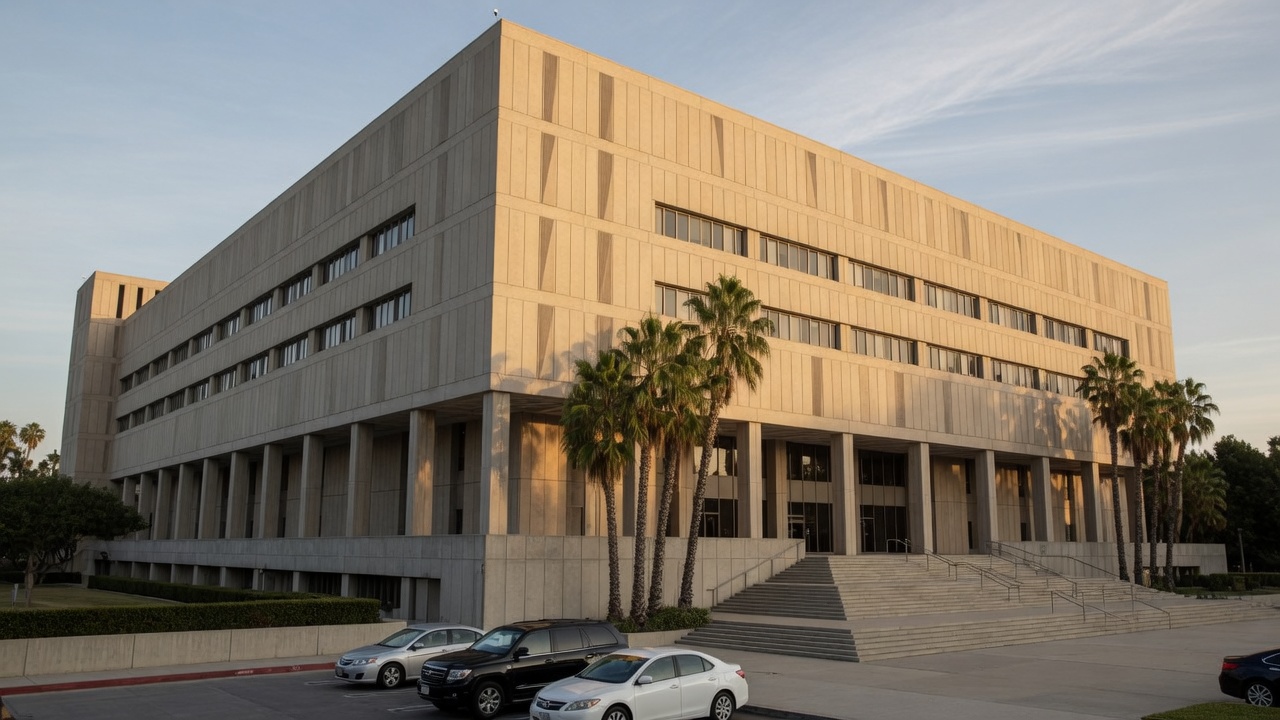
If you're navigating a loved one's estate in Los Angeles — or planning your own — there's an important change in California law you need to know about. Assembly Bill 2016 (AB 2016), which took effect on April 1, 2025, raised several key probate thresholds and created a new simplified pathway for transferring a primary residence without going through full probate.
After 25+ years guiding families through probate real estate situations in Southern California, I can tell you that this is one of the most practical legislative changes we've seen in years. It won't eliminate probate for everyone, but for many families — especially those inheriting modest homes in the Los Angeles area — it opens a faster, less expensive road to settling an estate.
What AB 2016 Actually Changes
California has long had mechanisms to avoid full probate for smaller estates — the Small Estate Affidavit and the Spousal Property Petition being the most common. AB 2016 builds on that framework with two significant updates:
New Primary Residence Threshold — $750,000
For deaths on or after April 1, 2025, a decedent's primary residence with a gross value of $750,000 or less (as of the date of death) can now be transferred through a simplified "Petition to Determine Succession to Primary Residence" filed with the Superior Court in the county where the property is located — without opening a full probate case.
Increased Small Estate Affidavit Threshold — $208,850
The threshold for using a Small Estate Affidavit to collect personal property increased from $184,500 to $208,850. This means more estates can avoid full probate when it comes to bank accounts, vehicles, and other personal property — no court filing required.
There's also a related change that took effect January 1, 2025: trustees can now terminate a trust without court approval if the estate is worth less than $100,000. This is a small but meaningful simplification for families dealing with smaller trust estates.
Why This Matters for Los Angeles Families
Here's the reality: Los Angeles County is one of the most expensive real estate markets in the country. A modest family home in many LA neighborhoods easily clears $750,000 — so this threshold won't cover every property. But for families inheriting condos, smaller homes in less pricey neighborhoods, or properties in parts of the Inland Empire and outlying Southern California communities, this can be the difference between a streamlined court process and a 9-to-18-month probate case.
And even for properties that exceed the $750,000 threshold, understanding the new landscape helps you plan. If you're an executor or heir, knowing where your situation falls on the spectrum — full probate, summary probate, or no probate at all — is the first step toward making smart decisions.
Quick Comparison: Before and After AB 2016
How the New Primary Residence Petition Works
If you qualify — meaning the decedent's primary residence has a gross value at or below $750,000 — here's the general process:
- File the petition. The heir (typically a surviving spouse, domestic partner, or heir) files a "Petition to Determine Succession to Primary Residence" with the Los Angeles Superior Court. This is a simpler filing than a full Petition for Probate.
- Provide notice. You'll need to serve notice to interested parties — other heirs, beneficiaries, and anyone who might have a claim. This mirrors the notice requirements in standard probate, but the scope is narrower.
- Court hearing. A judge reviews the petition and, if everything is in order, issues an order confirming succession. This is typically a single hearing — not the multi-step process of full administration.
- Record the order. Once approved, the court order is recorded with the County Recorder, and the title transfers to the heir(s).
Compared to the standard probate process — which in Los Angeles County typically takes 9 to 18 months due to court backlogs at the Stanley Mosk Courthouse — this streamlined path can save families months of time and thousands of dollars in court fees, attorney fees, and executor compensation.
Important Caveats to Keep in Mind
This is not a one-size-fits-all solution. A few things to consider:
Property value matters. The $750,000 threshold is based on the gross value of the property at the date of death — not fair market value minus debt. In many LA neighborhoods, this threshold may still be exceeded. An accurate property valuation is essential before choosing this path.
It must be the primary residence. This provision applies specifically to the decedent's primary home — not investment properties, vacation homes, or second residences. If the decedent owned multiple properties, you'll likely still need probate for the others.
Creditors still exist. Even in a simplified transfer, outstanding debts and taxes don't disappear. You'll still need to address any liens, mortgages, or creditor claims against the property.
Multiple heirs add complexity. When there's a single heir, the process is straightforward. When there are multiple heirs who disagree about what to do with the property, you may need the structure of full probate to resolve disputes.
What If Your Property Exceeds the Threshold?
For many Los Angeles families, the primary residence will exceed $750,000. In that case, you're likely looking at some form of probate — but the scope and cost depend on the total estate value:
Estates Under $184,500 in Total Assets
May qualify for a Summary Probate (Probate Code §13100–13115). This is a simplified court process with reduced filings.
Estates Between $184,500 and $750,000 in Total Assets
May qualify for an Independent Administration of Estates Act (IAEA) proceeding — full probate authority with less court oversight.
Estates Over $750,000 in Total Assets
Standard probate applies. In LA County, expect the process to take 9–18 months, with filing fees ranging from $435 to $935 depending on estate size.
The Bigger Picture: Estate Planning Still Matters
AB 2016 is welcome news, but it's a reminder rather than a solution. The best way to protect your family from the burden of probate is to plan ahead — with a living trust, proper beneficiary designations, and a clear estate plan. A trust lets your family avoid court entirely, regardless of property value.
If you're an executor or heir dealing with an estate right now, the first step is understanding where you stand. Is the property eligible for simplified transfer? What's the total estate value? Who are the interested parties? These questions have answers, and getting clarity early saves time, money, and family conflict.
"Whatever is Not in Alignment will be Purged. When you align your understanding of the law with the reality of your situation, the path forward clears itself."— Toni Patillo
Los Angeles County Filing Essentials
If you need to file probate — simplified or standard — in Los Angeles County, here are the practical details:
- Court location: Los Angeles Superior Court, Stanley Mosk Courthouse (for probate matters), 111 N. Hill Street, Los Angeles, CA 90012.
- Initial filing fees: Range from approximately $435 (estates under $250,000) to $935 (estates over $2,000,000).
- Hearing timeline: Expect 2–3 months to get a court hearing for appointment of a personal representative. LA County courts are among the busiest in the state.
- Creditor claim period: Typically 4 months from first publication of notice to creditors.
- Full probate timeline: 9–18 months on average in LA County. Complex cases with disputes or multiple properties can take longer.
The Bottom Line
California's AB 2016 gives more families a faster, simpler path through property transfer after a loss — but only if you understand the thresholds, qualify for the right process, and plan accordingly. If you're unsure where you stand, a conversation with a probate specialist can save you months of confusion. "Everything is in Divine Order" — and getting informed is how you start aligning with that order.

Written by Toni Patillo
Broker Associate · Certified Probate Specialist · 25+ Years Experience
Need clarity on your specific situation?
Toni helps families understand which probate path applies to their estate and how to navigate it efficiently. Schedule a free consultation.