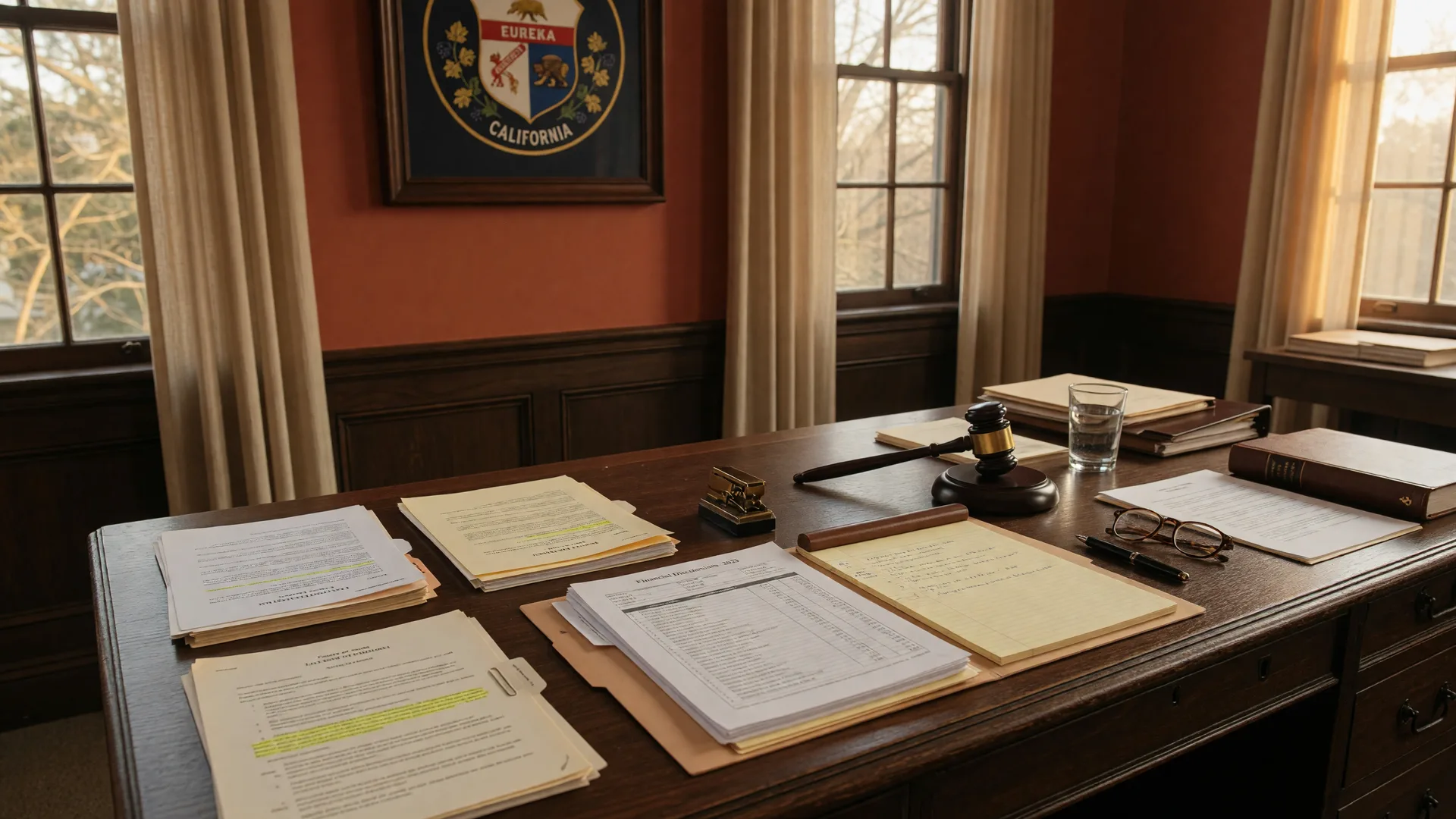
Here is the short answer: on January 1, 2027, a new California law changes the child support notice requirement in probate, and it applies to every estate in which letters are first issued on or after that date. Signed by Governor Newsom on September 20, 2026, Senate Bill 1264 expands the notice that executors must send to the California Department of Child Support Services (DCSS). The change matters for families across Los Angeles because an inheritance headed to someone who owes court-ordered child support can now be flagged to DCSS, which can assert a claim against that share of the estate.
In 25 years of guiding Los Angeles families through probate, I have sat at kitchen tables across Southern California while families worked through the hardest part of losing someone: what happens to the house, the accounts, and the life they built. One topic almost never comes up at that first meeting, and it surprises families when it does: child support. The state can have a real interest in an estate, both when the person who died owed child support and, starting in 2027, when the person inheriting owes it. Let me walk you through the rule that already exists, what changes in the new year, and how it affects inherited homes in Los Angeles County.
"What You Speak You Create. When a family knows what the law requires before the court process starts, you can speak about the estate with clarity instead of surprise."Toni Patillo
The Rule That Already Exists: The 90-Day Notice to DCSS
Since January 1, 2026, California has required a child support notice in probate estates. Assembly Bill 1521 added a new requirement to Probate Code Section 9202: within 90 days after letters are first issued to a general personal representative, the representative or the estate attorney must give notice of the decedent's death to the Director of the California Department of Child Support Services, if they know or have reason to believe the decedent had a child support obligation under a court order.
Why does the state need that notice? Because child support is a debt. When a parent who owed court-ordered child support passes away, the unpaid support can be claimed against the estate, the same way any other creditor claim is handled. The notice tells DCSS that the estate exists and that there may be money owed to the decedent's dependents. In Los Angeles County, where the family home is usually the largest asset in the estate, that claim can be a significant one.
What Changes on January 1, 2027
Senate Bill 1264, signed by Governor Newsom on September 20, 2026, amends that same section of the Probate Code, and it applies to estates in which letters are issued on or after January 1, 2027. The law makes two changes, and both point in the same direction: the state wants to know about inheritances when child support is involved.
- The notice now covers more people. The current rule applies when the decedent owed child support. Starting in 2027, the notice also applies when an heir or beneficiary owes court-ordered child support, so DCSS can assert a claim against an inheritance headed to someone who owes support. In plain terms: if a family member who stands to inherit money, or a share of the family home, owes child support, DCSS can be notified and can claim against that share.
- The notice is easier to deliver. The law streamlines how the notice can be provided, so the state is more likely to receive it in time to act. The practical effect is that executors should expect the child support question to surface in more estates, not fewer.
Here is the reassurance I want every family to hear: this is a notice requirement, not a seizure. The state does not automatically take the home, and DCSS does not reach into every estate. What the law does is make sure the state knows the estate exists so it can decide whether to assert a claim. A family that understands the timeline and works with a probate attorney can handle this without drama.
A Real-World Scenario: A Father, a Daughter, and a Home in the San Fernando Valley
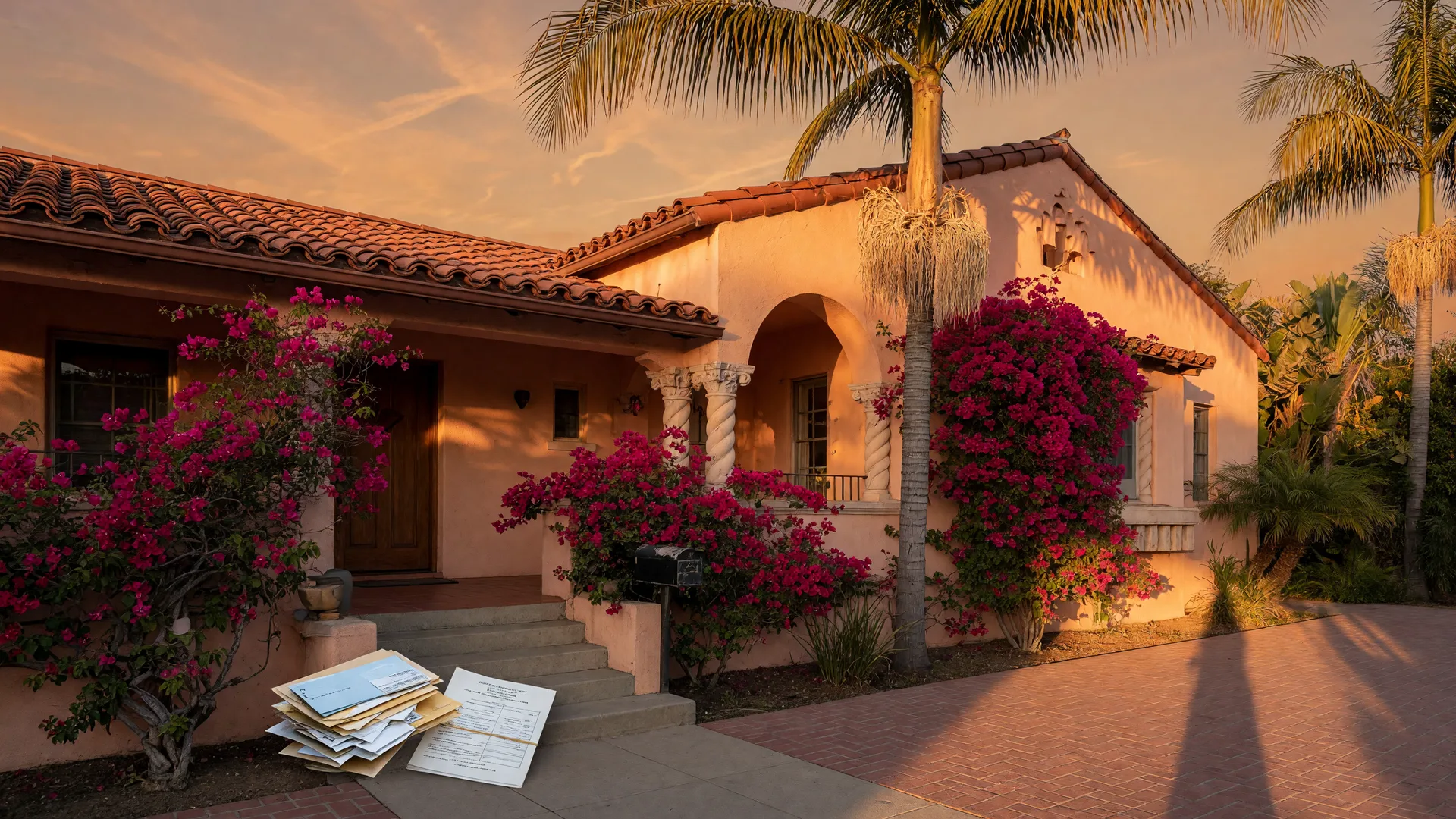
A father in the San Fernando Valley passes away, and his estate includes the family home, which will go through probate in Los Angeles County. His adult daughter is one of two heirs. She has a court-ordered child support obligation that she is behind on. Under the current rules, the estate would only notify DCSS if the father himself owed child support, which he did not. Starting January 1, 2027, the executor's duty is different: because the daughter owes court-ordered child support, the notice goes to DCSS, and DCSS can assert a claim against her share of the inheritance, including her interest in the home.
The other direction matters just as much. When the decedent owed child support, the dependents' unpaid support is a claim against the estate. That claim can affect how much is left for other heirs, and it can influence whether the family home can be sold and distributed cleanly or whether the estate needs to hold money back to satisfy the claim before anyone receives a share.
How the Notice and Claim Process Works
The notice requirement sits inside the broader creditor claim process, which every executor in California should already know. After letters are issued, creditors generally have four months to file claims against the estate. The child support notice is designed to make sure DCSS, which is a creditor in these situations, learns about the estate within that window.
Practically, this is how it flows: the executor or estate attorney sends the notice within 90 days of letters being issued; DCSS reviews the estate and the people who will inherit; if there is a support obligation, DCSS can file a claim; and the claim is then handled like other creditor claims, approved or rejected by the executor and, if needed, by the court. When a claim is filed against an heir's share, the distribution plan and the sale proceeds need to account for it before the estate closes.
Why This Matters for Los Angeles Executors
In Los Angeles County, probate cases at the Stanley Mosk Courthouse routinely run 12 to 18 months or longer. The 90-day notice clock starts when letters are first issued, which is early in that timeline, often before the family has turned its attention to the home. That is exactly why the notice is easy to miss: the executor is juggling the funeral, the bills, the insurance, and the first court appearances, and a DCSS notice can feel like a distant detail. It is not. Knowing about the child support question before the sale, before the distribution plan, and before the family starts making plans for the proceeds is what separates a smooth probate from a stalled one.
Los Angeles County Specifics
- The family home is usually the biggest asset. In LA County, the inheritance question is not academic. If an heir owes child support, that heir's share of the home's value is what a claim can reach. The earlier the executor knows, the cleaner the sale and distribution.
- The 90-day clock runs early. Letters are typically issued at the start of the probate case, months before the home is ready to sell. The notice duty is one of the first administrative tasks, not one of the last.
- The estate attorney handles delivery. Under the law, the estate attorney can give the notice on the executor's behalf. In a county where many families work with a probate attorney from the start, this is a moment where good counsel earns its keep.
- Claims affect the sale timeline. A pending child support claim can delay distribution, which matters in LA County where the market moves and carrying costs on a vacant home add up quickly. Knowing the claim exists before listing the home avoids surprises at the closing table.
A Practical Checklist for Executors and Families
- Know the effective date. The new rule applies to estates in which letters are issued on or after January 1, 2027. Estates already open before that date follow the current rule.
- Ask the child support question early. Whether the decedent owed support, or any heir or beneficiary owes support, the answer changes the executor's duties. Ask it at the first family meeting, not in escrow.
- Watch the 90-day clock. The notice to DCSS is due within 90 days of letters being issued. The estate attorney can handle the delivery, but the executor should confirm it is done.
- Treat DCSS like a creditor. A child support claim is handled through the estate's creditor claim process, with the usual four-month claim window after letters are issued.
- Plan the distribution with the claim in mind. If a claim is filed against an heir's share, the distribution plan and the sale proceeds need to account for it before the estate closes.
- Get professional help. Child support claims in probate are a specialty area. A licensed California probate attorney can make sure the notice is sent on time and the claim is handled correctly.
Key Sources
- • California Probate Code Section 9202(e), added by AB 1521, effective January 1, 2026: within 90 days after letters are first issued, the general personal representative or estate attorney must give notice of the decedent's death to the Director of the California Department of Child Support Services when the decedent had a court-ordered child support obligation
- • Senate Bill 1264, signed by Governor Newsom on September 20, 2026, amending Probate Code Section 9202; applies to estates in which letters are issued on or after January 1, 2027; expands the notice to heirs and beneficiaries who owe court-ordered child support and makes the notice easier to deliver
- • California Probate Code Section 9100: general creditor claim period, four months after letters are issued
- • Los Angeles County Superior Court, Probate Division, Stanley Mosk Courthouse, 111 North Hill Street
This article is general education, not legal advice. Every estate, every family, and every situation is different. Consult a licensed California attorney before making decisions about a probate estate, a creditor claim, or an inherited home.
Wondering how the 2027 child support notice rule, creditor claims, or probate timelines affect your family's estate? Let us talk.
Toni Patillo specializes in probate, trust, and estate real estate throughout Los Angeles and Southern California. With 25+ years of experience and 1100+ homes sold, she helps executors and families navigate complex property decisions with clarity and care. You can also explore more of Toni's work and philosophy at her personal brand site, calltoninow.com.
Written by Toni Patillo
Broker Associate · Certified Probate Specialist · 25+ Years Experience