If you are serving as an executor or personal representative in 2026, the rules just changed. Two new California laws — AB 1521 and AB 565 — took effect this year, and they bring important updates to probate notice requirements and trust administration that every Los Angeles family dealing with an estate needs to understand.
After 25 years of guiding families through probate real estate, I can tell you: the law is always evolving, and staying current is not just a matter of compliance — it is about protecting the estate and the people you are serving. Let me walk you through what changed, what it means for your responsibilities, and how to stay on the right side of these new requirements.
"Whatever is Not in Alignment will be Purged. When you know the rules, you can navigate the process with confidence. These new laws are here to add clarity, not confusion."— Toni Patillo
AB 1521: The New Child Support Notification Requirement
Assembly Bill 1521, effective January 1, 2026, adds a new mandatory notice requirement to California's probate process. Under the updated Probate Code Section 9202, if you know or have reason to believe that the decedent had an existing child support obligation at the time of death, you must notify the Director of the California Department of Child Support Services (DCSS) within 90 days after your Letters Testamentary or Letters of Administration are issued.
This is a significant addition to the probate notice obligations that already exist. Here is what that means in practice:
The Four Mandatory Notices After Receiving Letters (2026)
- Director of the California Victim Compensation Board — for restitution fines and orders the decedent may have owed.
- Director of Health Care Services — for Medi-Cal recovery claims. If the decedent received Medi-Cal benefits after age 55, the state has a claim against the estate for reimbursement.
- Franchise Tax Board — for any outstanding state tax obligations the decedent may have had.
- Director of the Department of Child Support Services (NEW) — if the decedent had an active child support obligation at the time of death.
Important: The personal representative is not required to investigate or search for evidence of the decedent's possible child support obligations. But if you have actual knowledge — for example, you know the decedent was paying child support, or you see court orders or wage garnishments among their personal records — you must act on that knowledge within the 90-day window.
Once notified, DCSS has four months from the date of notice to file a claim against the estate for unpaid child support. This claim runs alongside the general creditor claim period, which gives creditors four months from the issuance of Letters to file claims.
Why This Matters for Los Angeles Executors
Missing a mandatory notice does not just create a procedural issue — it can create personal liability for the executor. If child support claims go unnoticed and the estate distributes assets before DCSS files a claim, the executor could be held personally responsible for the unpaid amount. This is one of those "better safe than sorry" situations where working with a knowledgeable probate attorney is not optional — it is essential.
AB 565: Simplified Notice for Trust Administration
Assembly Bill 565, effective July 14, 2025, updates Probate Code Section 15804 to modernize how trustees give notice to beneficiary groups. If you are also managing a trust alongside a probate estate — a common situation in California — this change is worth understanding.
Previously, trustees often had to appoint separate Guardian Ad Litems for every minor, unborn, incapacitated, or unknown beneficiary before they could move forward with trust administration. This was expensive, time-consuming, and created unnecessary paperwork, especially in larger families with contingent beneficiaries spanning multiple generations.
Under the new law, notice to a person who can represent and bind another person — such as a parent representing a minor child with a substantially identical interest — is now sufficient to comply with notice requirements. This eliminates the need for separate Guardian Ad Litem appointments for every minor or unborn member of a beneficiary class.
Practical Example
Imagine a trust with three adult children as primary beneficiaries, and their children (the decedent's grandchildren) as contingent beneficiaries. Under the old rules, the trustee would have needed to appoint a Guardian Ad Litem for each grandchild. Under AB 565, the trustee can give notice to the adult children, who can represent their own minor children — a much simpler and more cost-effective process.
What Has Not Changed: The Core Executor Timeline
While these new laws add important requirements, the fundamental probate timeline in California remains the same. If you are an executor managing an estate with real property in Los Angeles County, here is the roadmap you are working with:
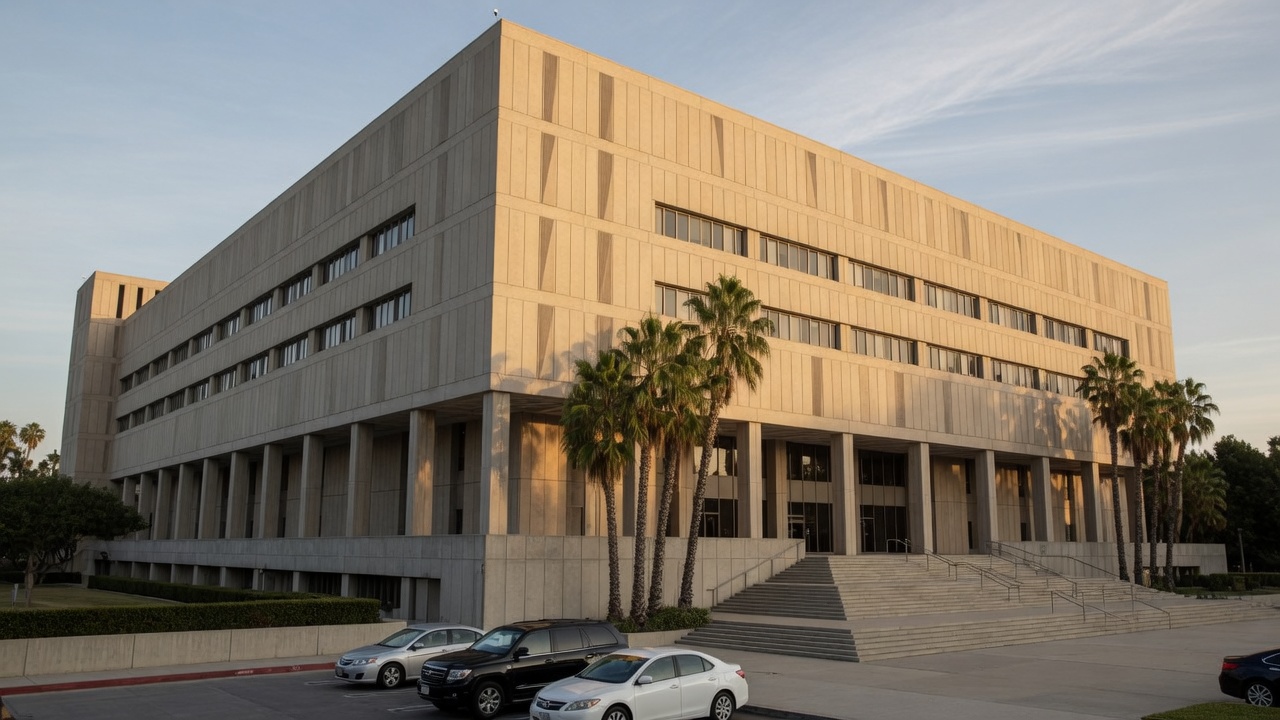
In Los Angeles County specifically, structural backlogs at the Stanley Mosk Courthouse can add 2 to 6 months to each step. Getting a hearing date alone can take 3 to 6 months during the busiest periods. If you are working with limited authority (without IAEA), every court-dependent step will stretch further. This is one reason why requesting full IAEA authority at the initial petition hearing is so important — it gives you the flexibility to move forward without waiting for court dates.
The 2026 Notice Changes: Practical Steps for Executors
Here is how I recommend every executor in Los Angeles County approach these new requirements:
1. Work with a probate attorney who knows the 2026 rules
This is not the year to work with a generalist attorney. The 2026 notice requirements are specific, and the consequences of missing them are serious. Your attorney should be able to walk you through the four mandatory notices, handle the DCSS notification if needed, and ensure your creditor claim process is properly executed.
2. Review the decedent's financial records early
As soon as you have access to the decedent's personal records, look for evidence of child support obligations. Court orders, wage garnishment notices, bank account statements showing child support payments, or correspondence from DCSS are all red flags. If you find any of these, notify your attorney immediately.
3. Set up a calendar with all deadlines
Between the 90-day DCSS notice, the 4-month creditor claim period, the 120-day inventory deadline, and the 60-day Change in Ownership Statement (BOE-502-D) with the county assessor, the calendar fills up fast. I recommend setting up a dedicated probate timeline with your attorney on day one.
4. For trust administration, ask about AB 565
If the estate also involves a trust with minor or contingent beneficiaries, ask your attorney whether AB 565's virtual representation provisions can simplify the notice process. This is one of those rare changes that actually reduces paperwork and cost.
"Everything is in Divine Order — even when the rules change. The law evolves to protect people, and your job as executor is to honor that protection. Stay informed, stay organized, and you will navigate this process with clarity."— Toni Patillo
What This Means for Los Angeles Families
If you are reading this because you are an executor or a family member navigating probate, I want you to take a breath. Yes, the rules changed. Yes, there is more paperwork. But every layer of protection in the probate process exists for a reason — to ensure that debts are paid, heirs are protected, and the estate is administered fairly.
The 2026 changes to California probate law reflect a growing recognition that the system needs to be both thorough and efficient. AB 1521 adds a critical safeguard for children who may be owed support from an estate. AB 565 simplifies trust administration for families. Both changes, in their own way, make the process more fair and more navigable.
In Los Angeles County, where the probate court system is among the busiest in the state, staying current on these requirements is not just about compliance — it is about keeping the process moving. A missed notice can mean a rescheduled hearing, a delayed sale, and additional months of carrying costs on an inherited property. In a market where the median home price is well above $750,000, those months add up fast.
Key Sources
- • California AB 1521, effective January 1, 2026 (Probate Code Section 9202, new subdivision (e))
- • California AB 565, effective July 14, 2025 (Probate Code Section 15804, virtual representation)
- • California Probate Code Sections 9600-9604 (Fiduciary duties of personal representative)
- • California Probate Code Sections 10400-10564 (IAEA — Independent Administration of Estates Act)
- • Los Angeles Superior Court, Probate Division — Stanley Mosk Courthouse, 111 North Hill Street
- • California Department of Child Support Services (DCSS) — Estate Claim Procedures
Navigating the 2026 changes? Let us talk.
Toni Patillo specializes in probate, trust, and estate real estate throughout Los Angeles and Southern California. With 25+ years of experience and 1100+ homes sold, she helps executors and families navigate complex probate situations with clarity and care. Whether you are just starting the process or already in the middle of it, a conversation can help you understand your options.

Written by Toni Patillo
Broker Associate · Certified Probate Specialist · 25+ Years Experience