If you are serving as executor or administrator of an estate in Los Angeles County, one of the first and most important decisions you will make is choosing a probate attorney. The right attorney can save you months of delay, thousands of dollars, and a world of stress. The wrong fit can do the opposite.
After 25 years of guiding families through probate real estate in Southern California, I have worked alongside dozens of probate attorneys. I have seen what makes a great partnership — and what creates friction when families are already carrying enough emotional weight. Here is what I have learned about finding the right probate attorney for your situation, whether you are in downtown LA, the San Fernando Valley, or anywhere in between.
Why the Right Attorney Matters in Los Angeles County
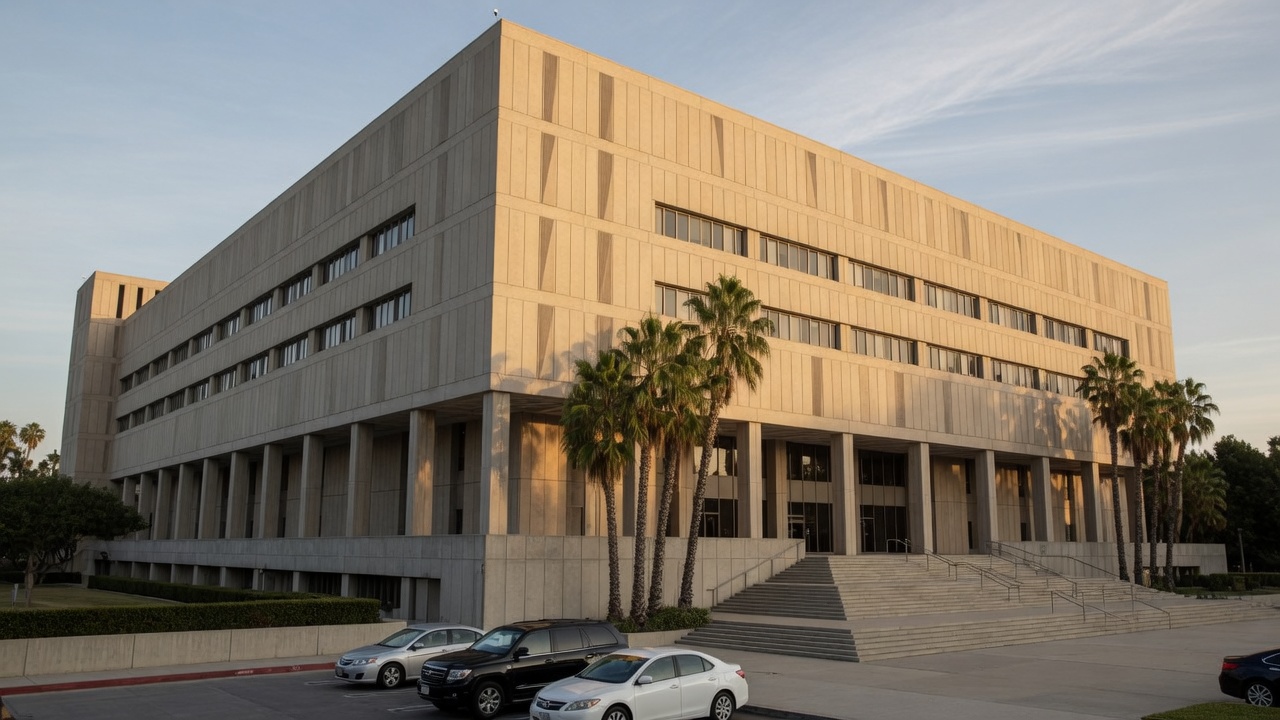
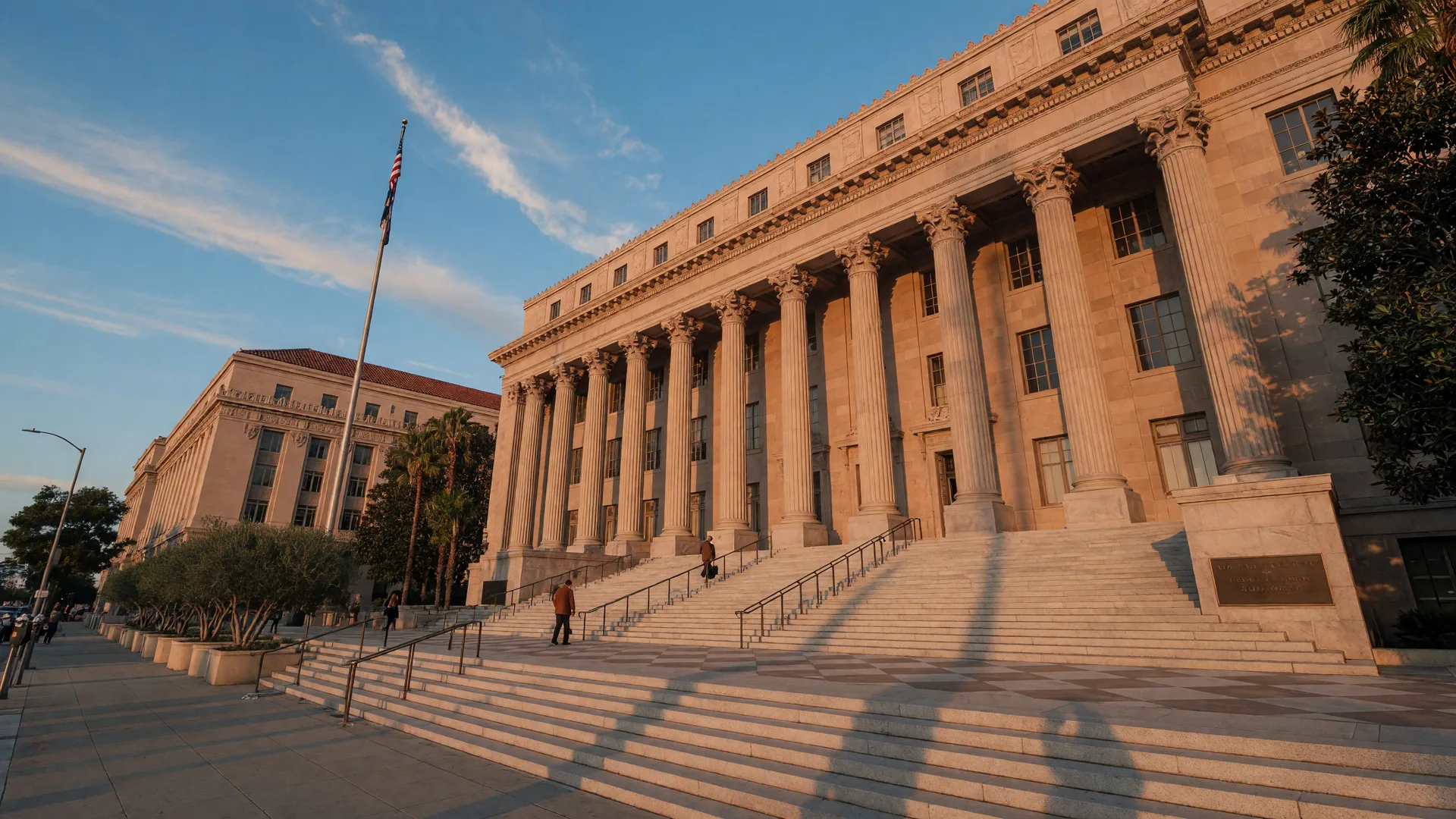
Probate is a county-level court process, and Los Angeles County has its own local rules, procedures, and quirks on top of the California Probate Code. An attorney who practices primarily in Orange County or Riverside may not know LA's specific filing requirements, Probate Examiner Note system, or the nuances of the Stanley Mosk Courthouse at 111 North Hill Street.
In LA County specifically, probate cases are filed electronically (eFiling) through approved vendors, and the court uses a Probate Examiner system where court attorneys review petitions and post pre-hearing notes. An attorney who knows this system can anticipate what examiners will flag — and address issues before they become delays. One who does not may find themselves chasing corrections that push your hearing date by weeks or months.
"Whatever is Not in Alignment will be Purged. Finding the right attorney is about alignment — not just expertise on paper, but someone whose communication style, approach, and experience match what your family needs right now."— Toni Patillo
What Does a Probate Attorney Actually Do?
Before you start interviewing attorneys, it helps to understand the full scope of what they handle. A California probate attorney advises and represents the executor or administrator in settling the estate. Their responsibilities include:
- Preparing and filing all court documents — the Petition for Probate, notices to heirs and creditors, inventories and appraisals, accountings, and the final petition for distribution.
- Guiding you through required notice procedures — including publishing notice of the probate petition in a local newspaper and serving certified notice to all interested parties.
- Helping identify, value, and protect estate assets — including real property, bank accounts, investments, and personal property.
- Addressing creditor claims — the executor must notify creditors and handle claims properly within the statutory timeframe.
- Preparing formal accountings for court review, showing every dollar that came in and went out of the estate.
- Handling any disputes that arise — will contests, beneficiary disagreements, or challenges to the executor's decisions.
- Managing the real estate component — including coordinating with the probate referee, advising on IAEA authority, and overseeing court confirmation of the sale if required.
The attorney's fees are paid from estate assets, not out of your personal pocket. This is an important distinction — you are hiring a professional to protect the estate and guide you through the legal process, and the estate bears that cost.
Understanding Probate Attorney Fees in California
California sets statutory probate attorney fees under Probate Code Section 10810. These fees are based on the gross value of the estate, calculated as follows:
| Estate Value | Statutory Fee Rate |
|---|---|
| First $100,000 | 4% |
| Next $100,000 | 3% |
| Next $800,000 | 2% |
| Next $9 million | 1% |
| Next $15 million | 0.5% |
The executor is also entitled to the same fee schedule for their services. Both fees are separate and come from estate assets.
For example, on a $1 million estate in Los Angeles County, the statutory attorney fee would be approximately $23,000. The executor's fee would be the same amount. Combined, that is $46,000 in statutory fees before any additional costs like court filing fees, probate referee fees, and publication costs.
Important: these are statutory fees, meaning they are set by law — but they are also maximums, not minimums. Some attorneys charge less than the statutory fee, particularly for straightforward cases. Always discuss fees upfront and get the agreement in writing.
Additional costs to budget for include the Petition for Probate filing fee (ranging from $435 for estates under $250,000 to $935 for estates over $2 million), publication costs in a local newspaper ($200 to $800+ depending on the publication), certified copies of Letters ($25 each), and the probate referee's appraisal fee (0.1% of non-cash assets).
What to Look for in a Probate Attorney
Not all probate attorneys are created equal. Here is what I tell families to look for when they ask me for recommendations:
1. Local Court Experience
This is the most important factor. Your attorney should practice regularly in Los Angeles County probate court. They should know the Stanley Mosk Courthouse, understand its eFiling requirements, and be familiar with how the Probate Examiner system works. An attorney who knows which examiners tend to flag which issues can head off problems before they become delays.
2. Certified Specialist Credentials
The State Bar of California offers a Certified Specialist designation in Estate Planning, Trust & Probate Law. Attorneys who earn this credential pass a comprehensive examination and demonstrate at least five years of practice with 25% or more of their time devoted to the specialty area. While not every good probate attorney is a certified specialist, this credential signals a deeper commitment to the field.
3. Experience with Real Estate in Probate
If the estate includes real property — and in Los Angeles, most estates do — you need an attorney who understands the real estate side of probate. They should know the difference between full and limited IAEA authority, understand the court confirmation and overbidding process, and be able to coordinate effectively with a probate real estate agent. I have seen attorneys who are excellent at estate planning but struggle when it comes time to actually sell a property through the court system.
4. Clear Communication
Probate can take 12 to 18 months in Los Angeles County. You will be in regular communication with your attorney throughout that time. Ask upfront about their communication style. Do they respond to emails within 24 hours? Will you work directly with the attorney or with a paralegal? How often will they update you on the case? The best attorney in the world is not helpful if you cannot reach them when you need guidance.
5. Transparent Fee Structure
Your attorney should clearly explain how fees work — whether they charge the statutory fee, a flat fee, or an hourly rate. They should provide a written fee agreement before any work begins and be transparent about what is included and what may be extra (such as litigation costs if disputes arise).
Questions to Ask Before Hiring a Probate Attorney
- Q: "How many probate cases have you handled in Los Angeles County in the past three years?"
- Q: "Are you familiar with the Stanley Mosk Courthouse's Probate Examiner system?"
- Q: "Do you handle real estate sales in probate, including court confirmations?"
- Q: "What is your typical timeline for a probate case involving real property in LA?"
- Q: "Will you be the attorney handling my case, or will it be delegated to a junior associate?"
- Q: "Can you provide a written fee breakdown, including estimated costs?"
- Q: "Do you have experience with the specific issues in my case — such as disputed wills, multi-county property, or Proposition 19 implications?"
How to Find Candidates
Start with referrals. Ask your trusted circle — financial advisors, estate planning professionals, real estate agents who specialize in probate, or friends who have been through the process in LA County. Personal recommendations carry weight because they come with real experience.
The State Bar of California's website offers a lawyer search tool where you can filter by certified specialists in Estate Planning, Trust & Probate Law. You can also search specifically for attorneys in Los Angeles County who practice probate law.
I recommend interviewing at least two or three attorneys before making a decision. Most offer a free initial consultation. Use this time not just to evaluate their expertise, but also to assess whether you feel comfortable working with them. Trust your gut on this one — you will be sharing personal family information and relying on their guidance during an emotional time.
A Note on the Attorney-Executor Partnership
Here is something that does not get said enough: the executor and the attorney are a team. The attorney handles the legal filings and court process. The executor handles the day-to-day management of the estate — securing the property, paying bills, communicating with heirs, and making decisions about the real estate.
A good attorney-executor relationship is built on trust, clear communication, and mutual respect. You do not need to be a legal expert — that is what the attorney is for. But you do need to be responsive, organized, and willing to ask questions when something does not make sense.
In my experience, the smoothest probate cases happen when the executor and attorney establish a clear rhythm early. Weekly check-ins, a shared timeline, and a written understanding of who handles what prevent most of the frustrations that can arise.
"Everything is in Divine Order — and finding the right legal partner is part of that order. Do not rush this decision. The right attorney will not just guide you through the legal process; they will help your family move forward with clarity and peace."— Toni Patillo
Bringing It All Together
Choosing a probate attorney in Los Angeles County is one of the most consequential decisions you will make as an executor. The right attorney brings local court knowledge, real estate expertise, transparent fees, and clear communication. The wrong one can turn a difficult process into an impossible one.
Take your time. Ask the right questions. Trust your instincts. This process is already emotionally complex — do not add unnecessary legal confusion to the mix. A great probate attorney will help you carry the weight, not add to it.
And when it comes to the real estate piece of that journey — selling the property, managing it during probate, or understanding its value in the context of the estate — I am here to help. Probate real estate is what I do, and I would be honored to support your family through it.
Need guidance on a probate situation?
Toni Patillo specializes in probate, trust, and estate real estate throughout Los Angeles and Southern California. She works alongside probate attorneys to help families navigate the real estate side of the process with clarity, strategy, and care.

Written by Toni Patillo
Broker Associate · Certified Probate Specialist · 25+ Years Experience