"The state is going to take Mom's house to pay back Medi-Cal." I hear this fear from Los Angeles families more than almost any other. Here is the honest truth: California does have a Medi-Cal estate recovery program, but it is far more limited than most people assume, and the rules have only narrowed in recent years. This guide explains what the state can and cannot recover in 2026, what is protected, and the deadlines that actually matter for executors and heirs.
After 25 years of guiding families through probate real estate, I have learned that this fear often delays important decisions for months. Families hesitate to act, the property sits, and the carrying costs pile up, all because of a worry that may not even apply. Let me walk you through how California's Medi-Cal estate recovery actually works, the recent changes that matter, and what you should do if this touches your family.
"What You Speak You Create. When a worry lives in the dark, it grows. When you bring it into the light and understand the actual rules, you can plan with clarity instead of fear."Toni Patillo
What Medi-Cal estate recovery actually is
California's Department of Health Care Services (DHCS) runs an Estate Recovery Program that can seek reimbursement from a deceased Medi-Cal member's estate for certain benefits the state paid on their behalf. This is a real program, and it is required at the federal level. But the practical reach of that recovery is much narrower than the scary version of the story.
For deaths on or after January 1, 2017, under California law (SB 33 and SB 833), recovery applies only when all of the following are true:
When DHCS can recover (deaths on or after January 1, 2017)
- The member was 55 or older (or permanently institutionalized) at the time of death.
- The recovery is limited to long-term care costs (nursing facility care, home and community-based services, and related hospital and prescription drug services) received at age 55 or older.
- The asset is part of the probate estate. This is the most important limit of all.
The third point deserves emphasis, because it is where most families get relief. DHCS can only reach assets that pass through California probate. Assets that transfer outside probate, such as property held in joint tenancy, assets in a living trust, or accounts with payable-on-death or transfer-on-death designations, are generally out of reach of estate recovery.
And crucially, DHCS will not make a claim against the estate of a surviving spouse or registered domestic partner. If a surviving spouse or partner lives on after the member passes, recovery is deferred until that spouse or partner also passes away.
What changed in 2025 and 2026
Three developments in the last couple of years have made this topic especially timely, and for many families more favorable.
1. AB 2016 raised the simplified probate threshold to $750,000
Effective April 1, 2025, Assembly Bill 2016 raised the threshold for transferring a primary residence through a simplified court process to $750,000. Because estate recovery is limited to assets in the probate estate, homes valued at $750,000 or less that now transfer outside full probate fall outside the reach of Medi-Cal recovery in many cases. This is a meaningful change for families with more modest homes in Los Angeles County and across Southern California.
2. California reinstated the Medi-Cal asset limit in 2026
As of January 1, 2026, California reinstated the $130,000 asset limit for older adults and people with disabilities receiving Medi-Cal (plus $65,000 for each additional household member). This is an eligibility change, not a recovery change, but it matters for families planning ahead: it changes how older adults structure their assets, and it makes careful planning with a specialist more important than ever.
3. A federal bill to end estate recovery is back
At the federal level, the "Stop Unfair Medicaid Recoveries Act" (H.R. 6951) was reintroduced in January 2026. If enacted, it would repeal the federal requirement that states maintain Medicaid estate recovery programs. As of this writing, the bill has been introduced but not enacted, so the current California rules remain in force. It is worth watching, because it signals a real national conversation about whether estate recovery should exist at all.
The bottom line in 2026
Estate recovery rules themselves have not expanded. If anything, the trend in California has been to narrow recovery to the federal minimum. The reinstated asset limit and the pending federal bill are reminders that the landscape is moving, which is exactly why up-to-date guidance matters.
The executor's 90-day notice duty
If a Medi-Cal member has passed away, California law puts a specific deadline on the people handling the estate. The estate attorney, executor, administrator, heirs, or anyone receiving assets from the deceased must send DHCS written notice of the death, along with a copy of the death certificate, within 90 days.
This notice must go directly to the DHCS Estate Recovery Section. Notifying the county, the Social Security Administration, or a vital records office does not satisfy the requirement. The notice should be sent to the Director, c/o Department of Health Care Services, Estate Recovery Section, MS 4720, P.O. Box 997425, Sacramento, CA 95899-7425.
Once DHCS is notified, it has four months to file a formal creditor's claim against the estate. If DHCS misses that window, its claim is barred. Missing this notice requirement, by contrast, can create real problems for the executor, so it belongs at the top of every probate checklist.
Hardship waivers offer real protection
Even when a claim would otherwise apply, the estate or the heirs can request a hardship waiver. The most important one for families is the "homestead of modest value" protection: if the home is worth 50% or less of the average home price in the county, DHCS will generally not force its sale for recovery. Other hardship situations, such as an heir of modest means or an heir who receives needs-based public benefits, may also qualify for relief.
A real-world example (anonymized)
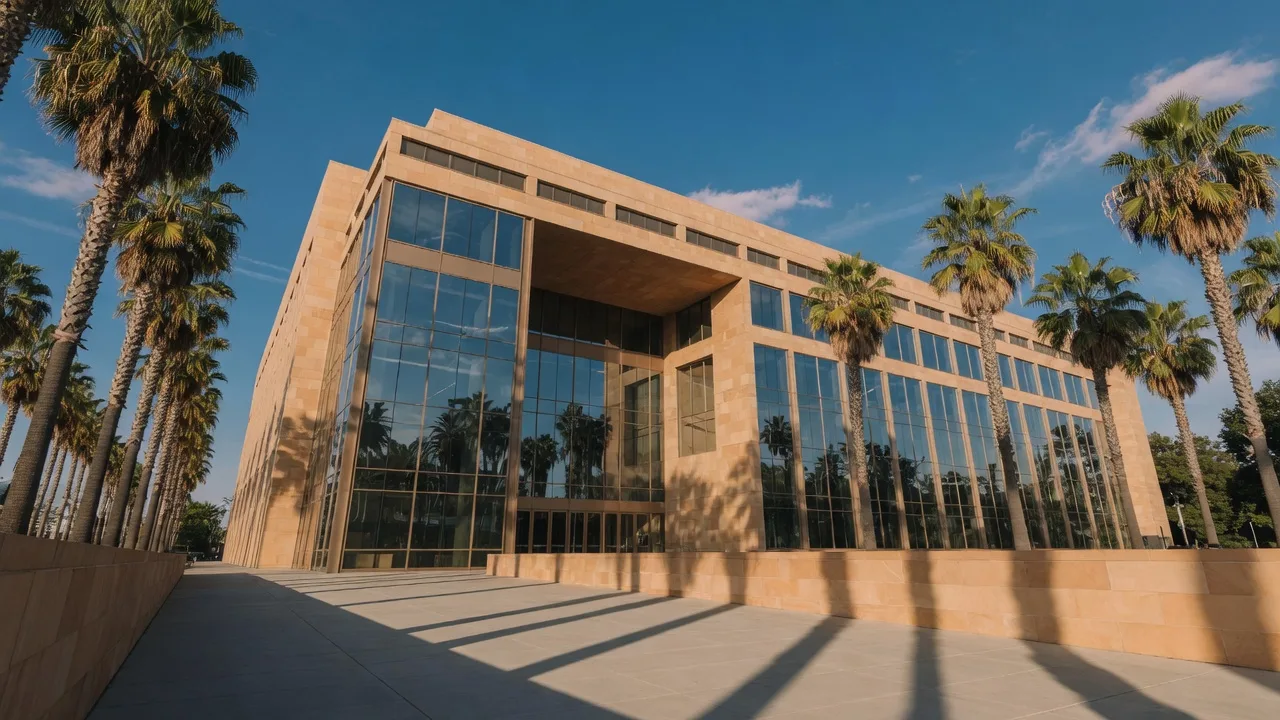
Two families, two different outcomes. In one, a mother in her 80s received Medi-Cal long-term care in a facility, and her home in a more modest Los Angeles neighborhood was valued below the $750,000 threshold. Because the home could transfer outside full probate after her death, it sat outside the reach of estate recovery entirely. In the other, a home valued well above the threshold passed through full probate at the Stanley Mosk Courthouse, and DHCS filed a timely claim for the long-term care costs paid after age 55. The difference was the value of the property, the path the estate took, and how quickly the family acted.
What Los Angeles County families should do
In Los Angeles County, where many homes exceed the $750,000 threshold, full probate still applies to a large share of estates, which means estate recovery is a real consideration. Here is how I recommend approaching it:
1. Establish the facts before you act on fear
Find out whether the deceased actually received long-term care services through Medi-Cal after age 55. If they did not, or if the assets pass outside probate, estate recovery likely does not apply at all. Do not let a vague worry stall the estate.
2. Meet the 90-day DHCS notice deadline
Put the notice on the calendar the day you are appointed. Missing it creates unnecessary risk for the executor, while a timely notice simply starts the clock on DHCS's four-month claim window.
3. Know the value of the property and the path it will take
A professional appraisal tells you whether the home is under or over the $750,000 simplified-probate threshold, and it informs the hardship waiver analysis if the home qualifies as a homestead of modest value.
4. Assemble the right team
A probate attorney who knows estate recovery, a real estate specialist who understands Los Angeles County, and often a tax or elder-law professional. This is not a situation where guesswork pays.
"Everything is in Divine Order. The rules exist to balance competing interests: repaying the state for care received while protecting families and the homes they hold dear. When you understand them, you stop fearing them and start planning with them."Toni Patillo
The takeaway for Los Angeles families
If you are reading this because a parent or loved one used Medi-Cal, please take a breath. California's estate recovery program is real, but it is narrowly limited: it reaches only assets in the probate estate, only for long-term care costs paid after age 55, and never against a surviving spouse. Recent changes have narrowed its reach further, and a federal push to end it entirely is underway.
The most expensive mistake is inaction born of fear. Homes sit empty, carrying costs climb, and families carry a worry that may not even apply. Get the facts, meet the deadlines, and make decisions from clarity. That is exactly the kind of guidance I have helped families with for more than 25 years, and it is what this site exists to provide.
Key Sources
- • California DHCS Estate Recovery Program (dhcs.ca.gov): eligibility, notice, and claim procedures
- • California Welfare & Institutions Code § 14009.5 (Medi-Cal estate recovery); Probate Code §§ 215, 9202, 11420 et seq.
- • SB 33 / SB 833 (deaths on or after January 1, 2017: recovery limited to probate assets, long-term care costs, age 55+)
- • California AB 2016, effective April 1, 2025 (simplified transfer threshold raised to $750,000 for primary residences)
- • California AB 116, effective January 1, 2026 (reinstated $130,000 Medi-Cal asset limit for older adults)
- • H.R. 6951, "Stop Unfair Medicaid Recoveries Act" (119th Congress), introduced January 6, 2026
- • CANHR: California's Medi-Cal Recovery Program FAQ and booklet
Important: This article is general education, not legal, tax, or financial advice. Estate recovery rules are detailed and fact-specific. Always consult a licensed California probate attorney and, where relevant, a tax or elder-law professional about your specific situation.
Worried about the family home? Let us talk it through.
Toni Patillo specializes in probate, trust, and estate real estate throughout Los Angeles and Southern California. With 25+ years of experience and 1100+ homes sold, she helps executors and families navigate complex probate situations with clarity and care. A conversation can help you understand whether estate recovery applies to your family and what to do next.

Written by Toni Patillo
Broker Associate · Certified Probate Specialist · 25+ Years Experience