When someone you love passes away, the hardest questions often aren't about the house. They're about everything inside it: who gets Mom's jewelry, what happens to the antique dining set, can a sibling "just take" the photo albums, and how do you empty a lifetime of belongings without breaking the rules. In a California probate estate, the stuff in the home is personal property of the estate, and the rules around it are more particular than most families expect.
After 25 years guiding Los Angeles families through probate, I have walked through more inherited homes than I can count: crowded bungalows in Inglewood, sprawling estates in the Palisades, and everything between. And I can tell you that the personal property conversation is almost always the first one that gets emotional. Let me give you the clearest roadmap I know for managing the contents of a probate home, so you can protect the estate, honor your loved one, and keep peace at the dinner table.
First, the Most Important Sentence in This Article
Furniture, artwork, jewelry, coins, vehicles, and household contents are probate assets. Under California law, they belong to the estate until the court process says otherwise. Neither an heir nor even the named executor has the right to remove or dispose of belongings before a personal representative is officially appointed. Doing so can create civil liability for conversion and, in some cases, criminal exposure.
Almost Everything in the House Counts
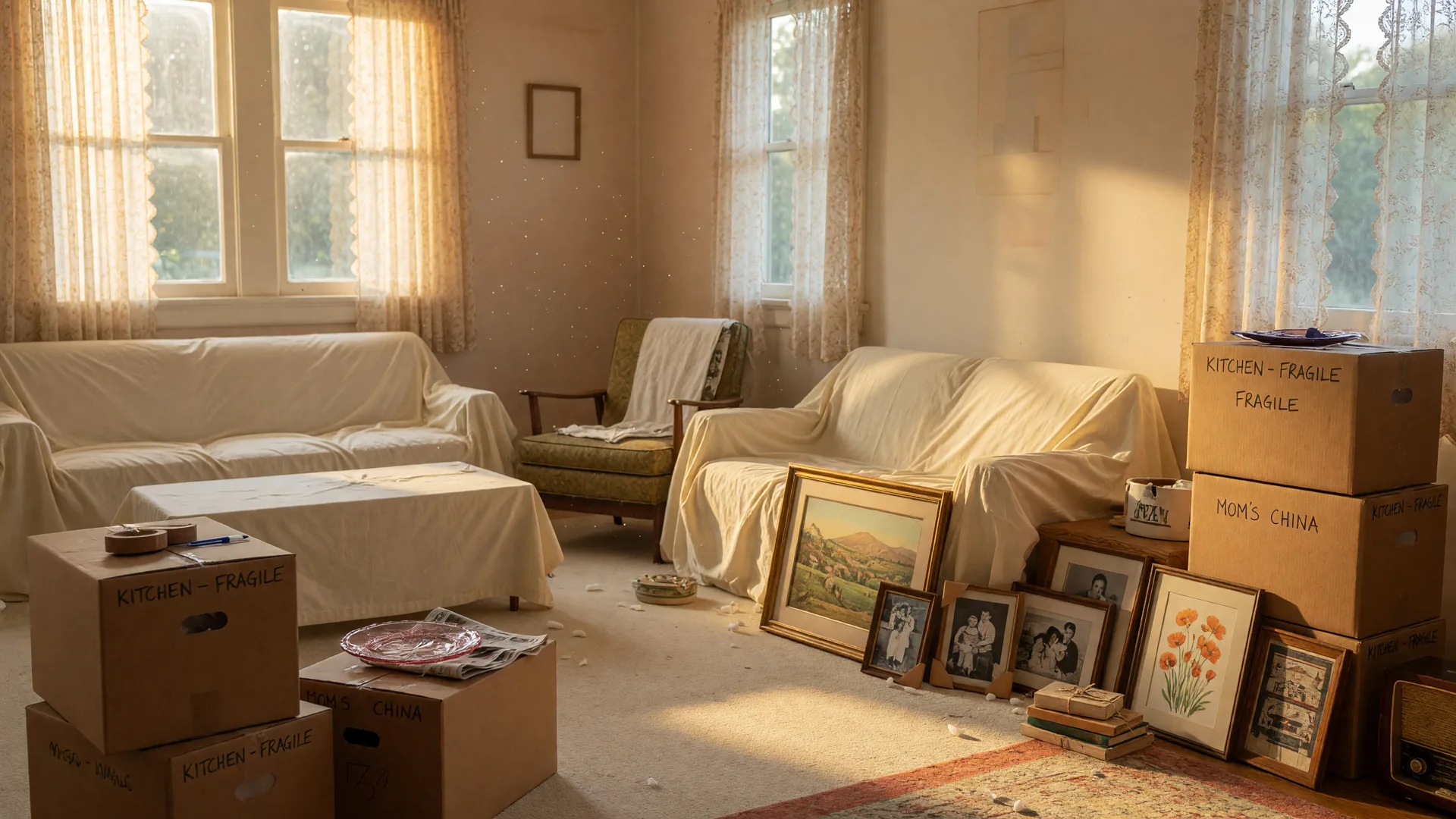
People often assume probate is about the bank account and the deed. But under the California Probate Code, personal property includes "tangible personal property" of all description: furniture and appliances, artwork and antiques, jewelry and watches, gun collections, tools, vehicles, boats, wine, rarer books, and even the contents of a safe deposit box. If it has value and it isn't titled real estate, it is part of the estate.
That includes items that feel sentimental rather than valuable. A 30-year-old dining set may have modest resale value, but it still belongs to the estate until it is properly distributed or sold. This is one of the reasons I encourage families to get a realistic, documented inventory together early. Surprises later, like a sibling discovering their "lost" heirloom was donated, are how probate disputes begin.
What Counts as Personal Property in a California Estate
- Furniture and furnishings: couches, beds, tables, lamps, rugs, and drapery.
- Artwork and antiques: paintings, prints, sculpture, and vintage pieces of any real value.
- Jewelry, watches, and coins: even modest pieces are inventoried.
- Vehicles, boats, and tools: anything titled or with meaningful value.
- Documents and records: deeds, bank records, and the contents of the safe or lockbox.
The Mistakes I See Families Make Before Probate Even Starts
Let me be direct about the most common, and the most damaging, early mistake: people start taking things. A family member stays at the house after the funeral, packs up Great Grandma's china "to keep it safe," and within a month the home is half empty from the inside while the probate paperwork hasn't even been filed.
I have seen this happen in the kindest families. It is rarely malicious, and it is almost always against the law. Before the court appoints a personal representative, nobody has legal authority in the estate, and removal of items can be treated as theft or conversion. Even after appointment, the executor's job is to marshal the assets, not to distribute them on a first-come, first-served basis. Patience protects everyone: the law does not reward the relative who acts first, a court can order property returned, and an executor who fails to protect estate assets can be held personally responsible.
The Three Things Not to Do
- 1. Don't remove belongings before a personal representative is appointed. Even quietly safe-keeping them for the estate creates legal exposure.
- 2. Don't "just take one thing" as a keepsake. Mementos should be distributed through a fair process the whole family knows about, or with the executor's documented approval.
- 3. Don't sell or donate anything, including to thrift stores, until the executor is appointed and the estate plan is understood.
I have watched this pattern play out in Los Angeles more times than I can count: adult siblings, a beloved parent, and a home full of decades of art and furniture. One sibling moves in to "watch the house," starts giving away pieces to friends, and by the time the estate is filed, the hurt is so deep that what should have been a smooth estate runs on for years, with attorney fees eating the very proceeds meant for the whole family. Everything is in Divine Order never meant letting that kind of disorder move through a family unprotected.
Once the Executor Is Appointed: Inventory and Appraisal
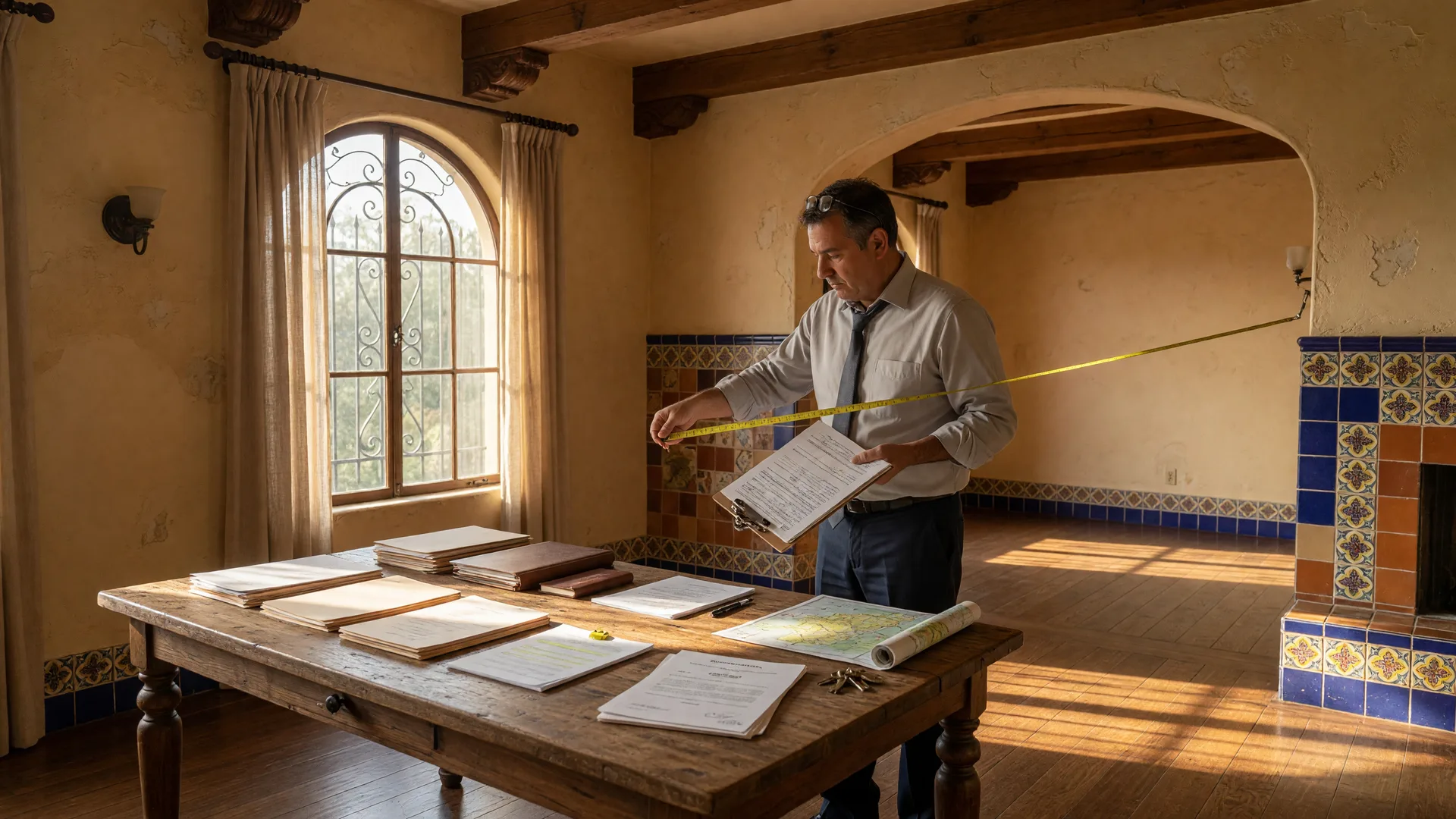
When you're appointed executor and the court issues your Letters, your first responsibility is to preserve the estate. That includes securing the property, changing the locks if needed, protecting a home that sits vacant, and then properly inventorying everything in it. Under California Probate Code Section 8800, the inventory and appraisal (Judicial Council Form DE-160) must be filed within 120 days after Letters are issued.
For the contents of the home, the probate referee in Los Angeles County values personal property as part of that inventory. This makes the referee's role a little wider than most people realize: they appraise the house, and also the household goods that hold real value. The way I usually describe it to families is this: the referee is there for the court's benefit, so keep the inventory honest and complete. And because the referee's personal-property values tend to be conservative, don't be surprised if a gallery-owned painting, a collection, or a vintage car appraises higher than the family's guess.
Steps the Executor Should Take, in Order
- Secure the property and review for safety hazards, weather, and homeowners insurance.
- Create a documented inventory with photographs before anything is moved.
- Watch for items specifically promised in the will, plus valuable goods that need formal appraisal.
- File the inventory and appraisal with the court within 120 days (Form DE-160).
- Handle distribution or sale of personal property through the proper authority, discussed below.
The Sale Rule Most Executors Miss: Court Confirmation of Personal Property
Here is the detail that catches most people off guard. Under California Probate Code Section 10260, a sale of personal property in a probate estate must be reported to the court and confirmed before title passes, unless an exception applies. That means an executor cannot just sell the furniture quietly and spend the money. The court wants to see the sale and the price.
But here is the part that makes a difference in most Los Angeles probates: if the estate qualifies and the executor receives full authority under the Independent Administration of Estates Act (IAEA), the rules change for the better. With full IAEA authority, the executor can sell, exchange, or deal with the personal property without returning to court for confirmation on each item. That is what I push for at the initial hearing, and it is one of the quiet ways a well-set-up estate saves months and thousands in attorney fees.
There are a few other built-in exceptions. Perishable items and assets that might quickly disappear in value can be sold without court confirmation. An executor can also abandon personal property when the cost of keeping it clearly exceeds its value, because nobody should pay $500 a month in storage for a $40 item. Many families don't know this one, and it brings more freedom than ordering an estate to hold and pay for junk the whole way through.
If the Will Can Say Who Gets What
Sometimes the wishes are written down. Under California Probate Code Section 6132, a will can include a dated, signed written list that directs how tangible personal property is to be distributed. If the will refers to such a list, the list controls where the furniture and treasures go. This is a common reason why I tell families to save those heartfelt directions: a piece of paper signed and dated by the person who made the will counts, and it can head off years of "Mom always said I'd get that dining room set" claims.
When there is specific-directed property, the executor usually distributes it at the appropriate stage of the estate, sometimes with a formal agreement among the heirs, sometimes with court approval. And when the will is silent, the family must decide how to split the contents fairly, sometimes by drawing lots, sometimes by having one heir buy out something at the appraised value. The process that feels kindest on the day is the one everyone knew about in advance, not the one that happened in silence.
"What You Speak You Create. The family that speaks honestly about the dining table, the artwork, and the keepsakes creates a process they can live with. The family that stays silent creates a dispute they can't undo."— Toni Patillo
The Easier Route: The Small Estate Affidavit and 2026 Thresholds
Here is genuinely a pleasant part of the story for 2026: not every estate in California needs full court supervision, and that includes personal property. For estates that qualify, an authorized successor can use a small estate affidavit under Probate Code Section 13100, with no court filing required, to collect bank accounts, vehicles, and household property. The big qualification is that the total value of the personal property and other estate assets falls below the current statutory threshold, and that no real property is involved.
The numbers matter, and this is where the 2026 picture changed. Under AB 2016, the small estate threshold rose to $208,850 for decedents dying on or after April 1, 2025. Most attorneys reporting for deaths on or after April 1, 2026 describe a further inflation adjustment, putting the figure at about $239,700. These amounts move periodically, and different estates present different dates of death, so it is worth confirming the exact figure in effect on the date of death with the current Judicial Council forms or your attorney. The point for families is real: more estates than ever before can clear the belongings and accounts without a full court-supervised probate, as long as the values fit.
Real property is a separate story. A primary residence valued at about $750,000 or less can transfer through the simplified AB 2016 petition, but that route still goes through the court. And in Los Angeles County, where the median home value sits well above that mark, most inherited homes will not qualify. This is exactly why the personal property exception and the real estate path are so different in practice: know which one applies to the total estate value, and build the plan around the right one. The small estate affidavit is a genuinely easier path when it fits, and it is no substitute for full probate when the numbers say otherwise.
Estate Sales in Los Angeles: A Practical Option When It Fits
When the family has taken what it wants and the estate is ready to liquidate, the professional estate sale is one of the most practical tools in Los Angeles. Professional estate sale companies in LA County handle full-home and partial-home contents: they inventory, price, run the sale, market to collectors and dealers, and handle the proceeds. Under full IAEA authority, the executor can use this route without returning to court for confirmation on every item.
A few ground rules that have served my families well: choose a company with local references and a written fee agreement, confirm the appraiser's inventory before the sale company removes a single item, and keep the proceeds in the estate's account. And give the family a scheduled, documented window to collect heirlooms first, so the sentimental side of the clearing-out and the market side of the estate sale don't collide on the same day.
The Bottom Line: Take Care of the Belongings, and the Belongings Will Take Care of the Estate
If you are an executor or heir facing an inherited home full of a lifetime of belongings, remember this: California law treats the contents as part of the estate, the executor's first duty is to protect and document them, and families who handle it openly and fairly come through with far less damage. Goodwill alone cannot carry a probate case; a clear, transparent plan can. Keep the plan visible to everyone, keep the process respectful, and the estate, and the family, comes out closer to whole.
Quick Takeaways
- Household contents are estate assets; nobody can remove them before a court-appointed personal representative is in place.
- The executor must file the inventory and appraisal within 120 days after Letters (Form DE-160).
- Sales of personal property generally need court confirmation unless the estate has full IAEA authority.
- Perishables and items quickly losing value have shortcut rules, and a will can direct distribution through a dated, signed list under Probate Code 6132.
- Smaller estates may qualify for the small estate affidavit, with reported 2026 threshold amounts that still fall far below the value of most LA County homes.
- A transparent, documented family process, instead of silence, is what keeps the contents of a home from destroying the relationships the person left behind.
If you have an inherited home in Los Angeles County and you are not sure what can be moved, what can be sold, and what needs the process to work its way through, you do not have to figure it out alone. I help executors and families take good care of the property and the people who own it. Call, email, or book a conversation and we will pick a starting point together.
Key Sources
- • California Probate Code Section 8800 — Inventory and appraisal within 120 days (Form DE-160)
- • California Probate Code Section 10260 — Court confirmation of personal property sales absent exception
- • California Probate Code Sections 10200–10202 — Summarily disposal of perishables and items quickly losing value
- • California Probate Code Sections 10500–10592 — Independent Administration of Estates Act (IAEA)
- • California Probate Code Section 13100 — Small estate affidavit for personal property
- • California Probate Code Section 6132 — Will may rely on a dated, signed list of tangible property
- • LA Superior Court Probate Division, Stanley Mosk Courthouse — venue for local probate petitions

Written by Toni Patillo
Broker Associate · Certified Probate Specialist · 25+ Years Experience
Need guidance on the contents of your estate?
Toni helps Los Angeles and Southern California families navigate probate, trust, and estate real estate with clarity and care. Reach out, and visit calltoninow.com for more of her work.