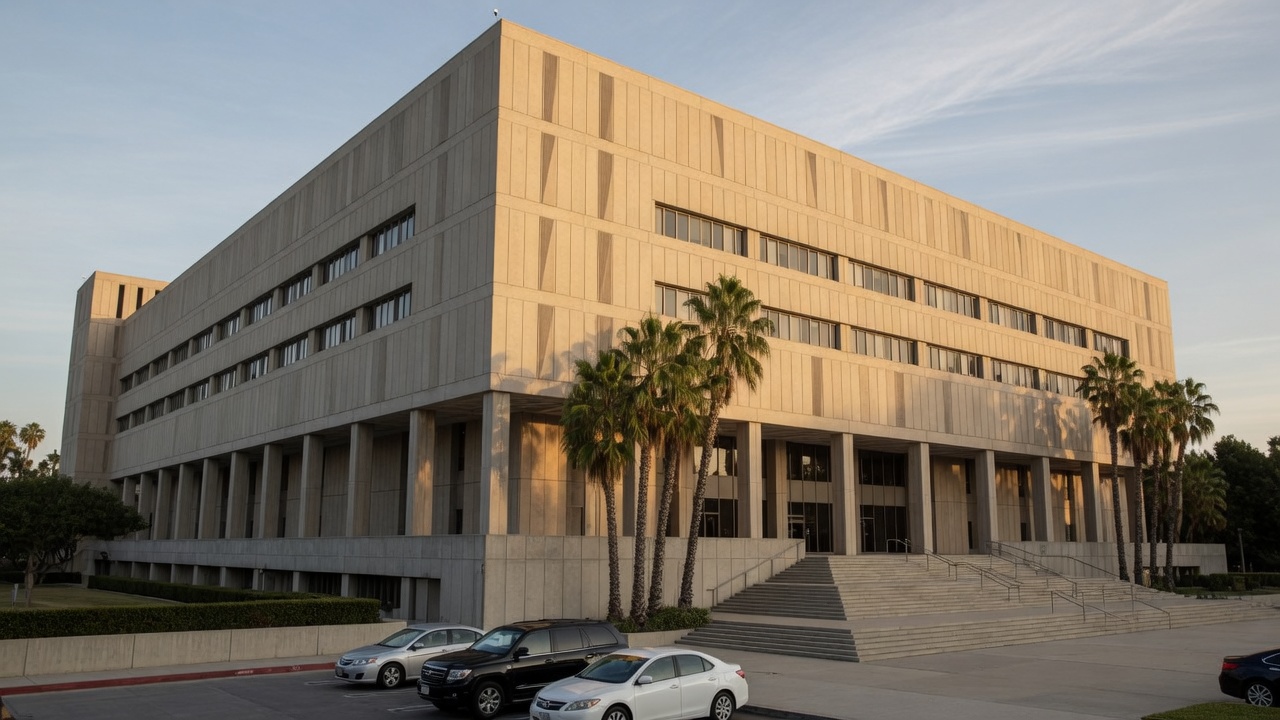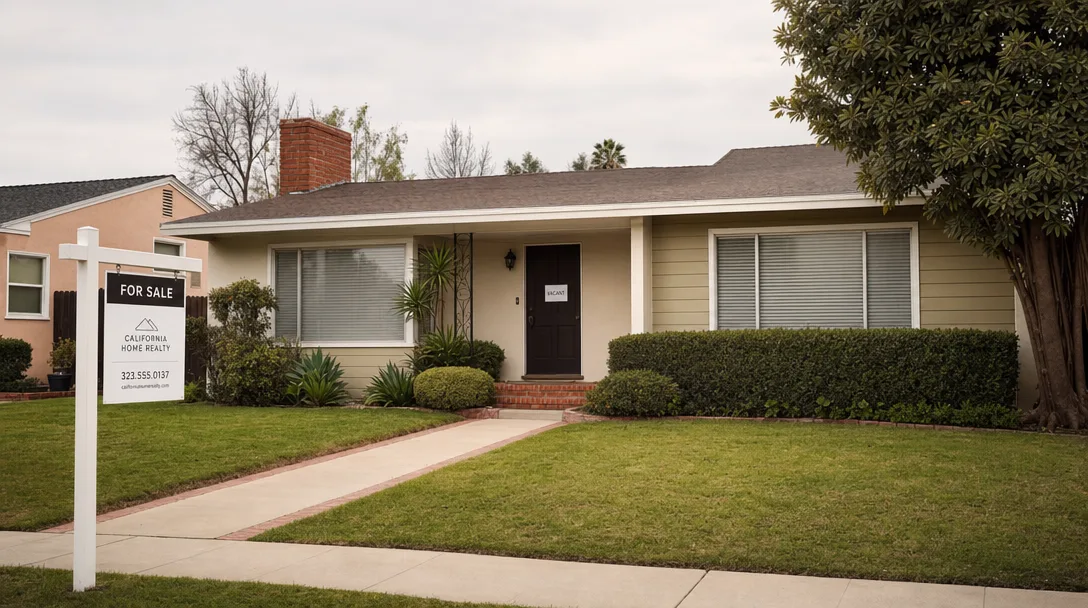
I get a call like this at least once a week. A family member has been appointed executor of a parent's estate, and the house has been sitting empty for three months. Nobody thought about the insurance. Nobody changed the locks. The HOA fees piled up. And now there is water damage from a pipe that burst while the house was unattended.
This is one of the most overlooked parts of probate: the day-to-day responsibility of managing a vacant property while the court process runs its course. And in Los Angeles County, where probate can stretch 12 to 24 months, that responsibility carries serious financial and legal weight.
Let me walk you through what executors need to know about protecting a probate property in LA — from insurance to HOAs to security — so the estate doesn't lose value before the house can be sold.
Why Vacancy Matters More Than You Think
Under California Probate Code Sections 9600 and 9601, an executor has a fiduciary duty to take possession of the decedent's property and manage, maintain, and preserve it. That is not just legal language — it means you can be held personally liable if the property loses value because you neglected it.
Here is the thing most families don't realize: a standard homeowners insurance policy typically voids coverage after 30 days of vacancy. If a fire, burglary, or water leak happens after that window, the estate gets nothing. And the executor — you — could be on the hook for the loss.
The 30-Day Vacancy Trap
Most standard homeowners policies include a vacancy clause. If the home is unoccupied for 30 consecutive days, coverage for many perils — fire, theft, vandalism, water damage — is automatically suspended. The insurer does not have to notify you. Get vacant property insurance or a vacancy endorsement within 30 days of the home becoming empty.
Step 1: Get the Right Insurance — Immediately
This is the very first thing you should do after being appointed executor. Call the decedent's insurance agent and let them know the property will be vacant. Ask about one of two options:
- A vacancy endorsement added to the existing policy — this extends coverage for up to 60 or 90 days at a modest cost.
- A separate vacant property insurance policy — required if the property will be empty for more than a few months, which it almost certainly will be in LA probate.
For properties that are hard to insure due to condition or location, the California FAIR Plan is a backup option, but it has its own vacancy restrictions — it will not cover a home vacant more than 50% of the year. Work with a broker who understands probate real estate.
Pro tip: Change the named insured on the policy from the decedent's name to "The Estate of [Name]" as soon as you have your Letters Testamentary or Letters of Administration. The estate, not the deceased individual, must be the insured party.
Step 2: Secure the Property — Inside and Out
A vacant home is a target. I have seen properties stripped of copper piping, appliances, and even the HVAC system while families waited for court approval to sell. Here is your checklist:
- Change the locks. You do not know who has keys — former caregivers, contractors, neighbors, extended family. Rekey all exterior doors on day one.
- Secure all windows and doors. Check that every window locks properly. Board up any broken windows immediately.
- Remove valuables. Jewelry, cash, important documents, art, firearms — move them to secure storage or a safe deposit box. Document everything with photos and inventory.
- Install motion-activated lights. Simple exterior lights deter trespassers and cost very little.
- Inspect the property weekly. Walk through every week. Look for signs of water leaks, pest activity, vandalism, or unauthorized entry.
LA Security Considerations
In certain Los Angeles neighborhoods, vacant properties are monitored by neighborhood watch groups and local code enforcement. If neighbors report suspicious activity, the city may fine the estate for unsecured premises. File a Trespass Arrest Authorization with the local LAPD division so officers can act if someone is found on the property without permission.
Step 3: Don't Let Utilities Become a Disaster
A common mistake executors make is shutting off all utilities to save money. Do not do this. You need to maintain essential services to prevent property damage:
- Keep the electricity on. HVAC systems need power to prevent mold in our humid climate. Security systems and motion lights need electricity too.
- Maintain heat or air conditioning. During winter, set the thermostat to at least 55 degrees to prevent pipes from freezing. During summer, some airflow prevents moisture buildup.
- Water. You can turn off the main water supply to prevent leaks, but consider leaving a minimal amount running in cold weather to prevent frozen pipes — or drain the system entirely if the property will be empty through winter.
- Gas. If the property has gas appliances, consult a professional about whether to leave the gas on or safely shut it off. Pilot lights left unattended can be a fire risk.
Step 4: Stay Current on HOA Dues and Property Taxes
Here is a hard truth that surprises many executors: HOA covenants, conditions, and restrictions (CC&Rs) run with the property, not with the owner. The estate is bound by them. If HOA dues go unpaid, the association can place a lien on the property, which must be paid before the house can be sold — and in some cases, the HOA can foreclose.
In Los Angeles County, many neighborhoods have active HOAs. Monthly dues, special assessments, and late fees add up quickly during a 12- to 18-month probate process. Budget for these as soon as you know the property will go through probate.
The same goes for property taxes. Check with the LA County Treasurer and Tax Collector to confirm whether taxes are current. If they are due and unpaid, the estate faces penalties, interest, and — in extreme cases — a tax sale. Do not let this slide.
Step 5: Understand Local Vacant Property Ordinances
If the probate property is in the City of Los Angeles, you may need to file a Statement of Intent with the Department of Building and Safety for any structure that qualifies as a vacant building. An annual registration fee of around $155 applies. The property must be secured against unauthorized entry at all times, and a Trespass Arrest Authorization can be filed with local law enforcement to help protect the property.
If the property is in another incorporated city within LA County — Santa Monica, West Hollywood, Inglewood, Long Beach, Burbank, or Glendale, to name a few — check that city's specific vacant property ordinance. Santa Monica, for example, requires registration within 30 days of vacancy and ongoing maintenance standards including landscaping and security. Failing to register can result in daily fines.
"Whatever is Not in Alignment will be Purged. When you are managing an inherited property, the details that are not handled will find you eventually — usually at the worst possible moment. Get everything in order early."— Toni Patillo
Step 6: Plan for Maintenance and Repairs
A house that sits empty still needs care. Trees drop branches. Gutters clog. Pests move in. The roof springs a leak. These are not "if" scenarios — they are "when" scenarios, especially in Southern California where we get the Santa Ana winds, dry brush fire conditions, and seasonal rains.
Set aside a maintenance budget from the estate funds (with court approval if required). Hire a local property manager or a trusted handyman to check on the home weekly. Mow the lawn, trim the hedges, sweep the walkway — a well-maintained property signals that the home is cared for, which deters vandals and helps it sell for a better price later.
One more thing: a neglected property can trigger code enforcement action. Under California's SB 1079 enforcement, cities can fine owners up to $5,000 per day for properties that fall into blight. Overgrown vegetation, accumulated debris, broken windows, and unsecured doors can all trigger fines — and those come out of the estate.
The Bottom Line for Executors
Managing a vacant probate property in Los Angeles County is not simple. It requires insurance changes, security measures, utility management, HOA payments, code compliance, and ongoing maintenance — all while you are also dealing with court filings, creditor claims, and family dynamics.
You do not have to do it alone. The right team — a probate attorney who knows LA County court procedures, a real estate specialist who handles probate properties, a property manager who understands vacant homes — can make the difference between an estate that preserves its value and one that bleeds money month after month.
My advice? Build that team early. The first 30 days after the property becomes vacant are the most critical. Use that window to get the insurance right, secure the home, and set up a maintenance plan. After that, the rest of the probate process becomes about the court, the paperwork, and the eventual sale — and you can face those with confidence knowing the property itself is protected.
"Everything is in Divine Order" — but divine order still needs a solid insurance policy, good locks, and a weekly walkthrough.
Quick Checklist — First 30 Days After Vacancy
- Notify insurance agent and secure vacant property coverage
- Change all exterior locks
- Remove valuables to secure storage
- Check HOA dues and property tax status
- Set up weekly property inspections
- Check local vacancy registration requirements
- Establish a maintenance budget with court approval

Written by Toni Patillo
Broker Associate · Certified Probate Specialist · 25+ Years Experience
Need help managing a probate property?
Toni helps Los Angeles families navigate every stage of probate real estate — from property preservation through sale. Schedule a free consultation to discuss your situation.
Schedule a Free Consultation