When a family member asks you to serve as executor of an estate, it is an honor — and a significant legal responsibility. Most people who say yes do not realize that under California law, they can be held personally liable if they mishandle estate assets. And in Los Angeles County, where real estate often represents the bulk of an estate's value, the stakes are especially high.
After 25+ years of guiding families through probate real estate situations, I have seen well-intentioned executors make mistakes that cost them personally — not just the estate. The good news is that these situations are almost always avoidable. Let me walk you through what you need to know to protect yourself while fulfilling your duties with integrity.
The Legal Standard: Ordinary Care and Diligence
California Probate Code Section 9600 establishes the standard: a personal representative must use "ordinary care and diligence" in managing the estate. What does that mean in practice? It means you are expected to act as a reasonably prudent person would when managing someone else's property. Not perfection — but reasonable, careful judgment applied consistently.
How Real Estate Triggers Personal Liability
Real estate is the asset class where California executors most often run into liability trouble. Here is why: a house is not a bank account. It requires active management — securing it, insuring it, maintaining it, paying taxes on it, and eventually selling or transferring it. Each of these steps carries risk if handled improperly.
Under Probate Code Section 9601, an executor who breaches a fiduciary duty can be held personally liable for:
- Any loss or depreciation in estate value caused by the breach, plus interest
- Any profit the executor made through the breach, plus interest
- Any profit that would have accrued to the estate if not for the breach
In the most serious cases, if an executor is found to have taken, concealed, or disposed of estate property in bad faith, the court can impose double damages under Probate Code Section 859. That is not a typo — double the value of the property involved.
The Most Common Liability Traps for LA Executors
Based on cases I have seen play out in Los Angeles County probate court, here are the real estate scenarios that most frequently trigger personal liability for executors:
Trap #1: Letting the Property Fall Into Disrepair
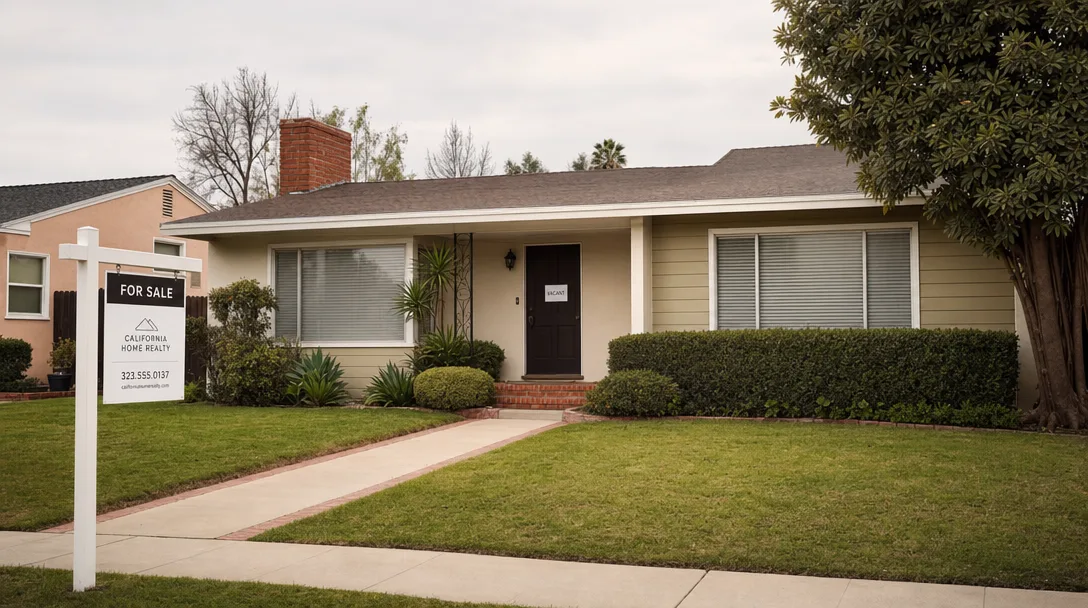
When a home sits vacant during probate, things go wrong fast. A pipe bursts and goes unnoticed for days. Squatters move in. The lawn dies and the HOA imposes fines. The roof develops a leak that destroys the ceiling below.
These are not hypotheticals. I have walked through Los Angeles probate homes where thousands of dollars in preventable damage occurred simply because no one checked on the property regularly. If beneficiaries can show that a reasonable executor would have secured and maintained the property, you could be personally on the hook for the loss.
The fix: Inspect the property within 72 hours of receiving your Letters. Change the locks. Make sure insurance is in place and covers vacancy. Set up a schedule for regular inspections, especially after rain. Document everything with photos and written notes.
Trap #2: Selling Without Proper Authority
An executor who sells estate property before receiving Letters Testamentary, or before obtaining the required court authority, is acting outside their legal authority. The sale can be challenged, and the executor can be held personally liable for any resulting loss.
Even with Letters in hand, if you have limited IAEA authority (without full authority to sell real estate), you must go through the court confirmation process. Selling without it exposes you to personal liability if the sale is later invalidated or if a beneficiary objects.
The fix: Request full IAEA authority at your initial hearing. Before listing any property, confirm in writing with your probate attorney exactly what authority you have. Never sign a listing agreement or purchase contract until you are certain.
Trap #3: Self-Dealing or Favoring One Beneficiary
Under California law, an executor owes a duty of impartiality to all beneficiaries. You cannot buy the estate property yourself without full disclosure and court approval. You cannot rent it to yourself at below-market rates. You cannot sell it to your cousin for a discount because they "need a break."
I have seen cases where executors sell the family home to one sibling without offering it to the others, thinking they are being helpful. That is a breach of fiduciary duty. The other siblings can sue, and the executor can be removed and held liable.
The fix: Treat all beneficiaries equally. Keep a written record of all communications. If a beneficiary wants to buy the property, handle it through a transparent, market-rate transaction with full disclosure. When in doubt, ask the court for direction.
Trap #4: Failing to File the Inventory on Time
Under Probate Code Section 8800, you have 120 days from the issuance of Letters to file the inventory and appraisal with the court. This deadline is strict. Miss it, and you risk:
- • Removal as executor by the court
- • Suspicion from beneficiaries who wonder what is being hidden
- • Personal sanctions from the court
In LA County, where the probate court is already handling a heavy caseload, an overdue inventory filing can slow down every subsequent step of the case.
The fix: Coordinate with the probate referee and your attorney as soon as you receive your Letters. Get the appraisal scheduled within the first month, not the fourth month. File the inventory with time to spare.
Trap #5: Commingling Estate Funds With Personal Accounts
This is one of the most serious breaches an executor can commit. Estate funds — including rent collected from the probate property, proceeds from a sale, or cash found in the home — must be held in a separate estate bank account. Depositing them into your personal account, even temporarily, is strictly prohibited.
In Los Angeles County, where probate homes can sell for significant sums, the temptation to keep things "simple" by using your own bank account can lead to accusations of theft or embezzlement. The court takes this extremely seriously.
The fix: Open a dedicated estate checking account at a separate bank from your personal accounts as soon as the estate is opened. Use it for all estate transactions. Keep every receipt and maintain a clear ledger.
"Everything is in Divine Order — but divine order does not mean carelessness. Being an executor means being a steward of someone else's legacy. That responsibility deserves your full attention, your best judgment, and the humility to ask for help when you need it."— Toni Patillo
What Actually Happens When an Executor Breaches Their Duty
If a beneficiary believes you have breached your fiduciary duty, they can petition the court for relief. Here is what the process typically looks like in LA County:
The beneficiary files a petition or motion
This could be a petition to remove the executor, a motion for accounting, or a claim for surcharge (holding you personally liable for losses). The court will set a hearing date.
The court investigates with an accounting review
A judge reviews the executor's accounting and any supporting documents. If records are incomplete or missing, the court will demand answers — and potentially order a full financial examination.
The court orders a remedy
If a breach is found, the court can surcharge the executor (order them to personally pay back the loss), remove them from the position, award attorneys' fees to the beneficiaries, and in bad faith cases, impose double damages under Section 859.
In extreme cases, a breach involving theft or conversion of estate assets can also lead to criminal charges. While criminal prosecution is less common in probate matters, it does happen — especially when significant amounts of money are involved and the executor's actions appear intentional.
Five Protective Steps Every LA Executor Should Take
Here is my practical checklist for protecting yourself from personal liability while managing probate real estate in Los Angeles County:
Hire a probate attorney before you do anything else
This is the single most important decision you will make. A good probate attorney in LA County will know the local court procedures, keep you out of legal trouble, and guide you through every step. Do not rely on a general practice attorney or a family friend who took one wills class in law school.
Document everything in writing
Every decision about the property — every repair, every offer rejected or accepted, every conversation with a beneficiary — should be documented. Keep a written log with dates and details. If something goes wrong later, your documentation is your best defense against claims of negligence or bad faith.
Get court approval for major decisions
When in doubt, ask the court. If you are unsure whether a proposed action is within your authority, file a petition for instructions. The time and cost of a court appearance is far less than the cost of a personal liability lawsuit.
Communicate proactively with all beneficiaries
Most executor liability cases I have seen started because beneficiaries felt left in the dark. Send regular updates about the property status, the timeline, expenses, and any significant decisions. Invite questions. Transparency is your shield. A beneficiary who feels informed is far less likely to file a suspicious petition with the court.
Work with a probate-experienced real estate agent
A generalist agent may not understand the IAEA process, NOPA requirements, court confirmation rules, the commission limits in LA County (currently 5% for improved residential property), or the specific disclosure requirements for estate sales. An agent who specializes in probate real estate will keep you compliant and protect you from liability at every step of the sale process.
What About Insurance? Can You Protect Yourself Further?
Yes. A fiduciary liability insurance policy (also called executor or probate liability insurance) can provide an additional layer of protection. This type of policy covers legal defense costs and potential judgments if a beneficiary sues you for breach of duty. It is not a substitute for doing things right — insurance will not cover intentional wrongdoing or fraud — but it can protect you from honest mistakes or unfounded claims.
The cost is typically modest compared to the potential exposure, especially when the estate includes significant real estate in the Los Angeles market. Ask your attorney whether a fiduciary liability policy makes sense for your situation.
Real-World Scenario: What a Protected Executor Does
Let me give you an example of what this looks like in practice.
An executor in the San Fernando Valley inherits a probate estate that includes a 3-bedroom mid-century home in Sherman Oaks. Here is the protected approach:
- Within the first week of receiving Letters, they inspect the property, change the locks, and confirm the insurance covers vacancy. They take timestamped photos of every room.
- They open a dedicated estate bank account and deposit any cash found in the home.
- They schedule the probate referee appraisal immediately and also request a Comparative Market Analysis from a probate-specialized agent.
- They inform all three beneficiaries in writing about the property's condition, the planned timeline, and invite input on whether to prepare the home for sale.
- When one beneficiary objects to the estimated list price, the executor asks their attorney to file a petition for instructions with the court rather than moving forward unilaterally.
- They document every repair and every offer, provide monthly updates to all beneficiaries, and never sign anything without their attorney's review.
This executor is protected. They have done nothing in secret. They have followed proper procedure. They have given the court and the beneficiaries every opportunity to participate. If someone still files a claim, the documentation tells the story clearly.
The Bottom Line
Being an executor is one of the most important roles a person can take on for their family. It comes with real legal responsibility — and real liability if things go wrong. But that liability is almost entirely avoidable with the right approach: hire experienced professionals, document every decision, communicate openly with beneficiaries, and never be afraid to ask the court for guidance. "What You Speak You Create" applies here too. Speak clearly, act carefully, and document everything. That is how you honor the legacy you have been entrusted with.
Key Sources
- • California Probate Code §§ 9600-9606 — Duties and Liabilities of Personal Representative
- • California Probate Code § 859 — Double damages for bad faith taking or concealing estate property
- • California Probate Code § 8800 — Inventory and appraisal deadline (120 days)
- • California Probate Code § 8502 — Removal of personal representative
- • California Probate Code §§ 10400-10564 — IAEA (Independent Administration of Estates Act)
- • Los Angeles Superior Court Local Rules, Chapter 4 — Probate Division

Written by Toni Patillo
Broker Associate · Certified Probate Specialist · 25+ Years Experience · 1100+ Homes Sold
Navigating probate real estate in Los Angeles? Let's talk.
Toni Patillo specializes in probate, trust, and estate real estate across Southern California. Whether you are a newly appointed executor or a family exploring your options, she can help you navigate the process with clarity and confidence.