One of the most confusing moments for families selling a probate property in California is when their attorney says, "We need to check whether you have IAEA authority." Most people have never heard of the Independent Administration of Estates Act, and the distinction between full and limited authority makes a huge difference in how a property gets sold.
This is one of the most practical legal concepts you will encounter in California probate, and understanding it early can save you months of time and thousands in legal fees. Here is what every executor and family in Los Angeles County needs to know.
What Is the Independent Administration of Estates Act?
The IAEA, found in California Probate Code Sections 10400 through 10592, allows a personal representative (executor or administrator) to manage most estate matters without going back to court for every decision. Think of it as a streamlined track: instead of asking a judge for permission every time you need to sell a car, pay a bill, or list a property, the IAEA gives you the authority to handle these tasks independently.
For probate real estate, IAEA authority is the single most important tool an executor can have. It determines whether you can sell the family home with a simple Notice of Proposed Action — or whether you need to sit through a court confirmation hearing with overbidding from strangers.
Full Authority vs. Limited Authority: The Key Distinction
When the probate court appoints a personal representative, it grants one of two levels of authority:
Full IAEA Authority
The personal representative can sell real property without court confirmation. Instead, they file a Notice of Proposed Action and give interested parties 15 days to object. If no one objects, the sale proceeds just like a regular transaction.
Limited IAEA Authority
The personal representative cannot sell real property without a court confirmation hearing. The sale must go before a judge, and the courtroom auction process — including overbidding — applies.
In practice, California courts typically grant full IAEA authority as the default unless someone specifically objects or the court identifies a reason to limit it. The petition for probate includes a section where the petitioner can request full authority, and most probate attorneys include this request as standard practice.
How a Full-Authority Sale Works: The Notice of Proposed Action
When the executor has full IAEA authority, selling real estate follows a much simpler path:
- The executor accepts an offer on the property, just like any home sale. The offer must be at least 90 percent of the probate referee's appraised value.
- The executor files a Notice of Proposed Action (Judicial Council Form DE-165) with the court and serves it on all interested parties — beneficiaries, heirs, creditors who have filed claims, and anyone else entitled to notice under Probate Code Section 10510.
- Interested parties have 15 days to file an objection with the court. If no one objects, the executor is free to close the sale without any hearing.
- If someone objects, the court schedules a hearing to resolve the dispute — and the sale transitions into a limited-authority confirmation process from that point.
The 15-Day Window Is Critical
Beneficiaries and heirs need to understand this: if you receive a Notice of Proposed Action and you have concerns about the sale — the price, the terms, whether the property should be sold at all — you have exactly 15 days from service of the notice to act. After that window closes, your right to object is gone.
When Court Confirmation Is Still Required
Even with full IAEA authority, some situations still require the executor to go to court for confirmation. These include:
- When the sale price is below 90 percent of the appraised value — the estate needs court approval to sell at a discount.
- When a beneficiary or creditor objects to the Notice of Proposed Action — the court steps in to resolve the dispute.
- When the will or trust specifically requires court confirmation — some estate planning documents mandate it regardless of IAEA status.
- When the court grants only limited authority — some cases, particularly contested estates or cases with concerns about the executor's judgment, end up with limited IAEA powers.
The Overbidding Process: What Happens at a Court Confirmation Hearing
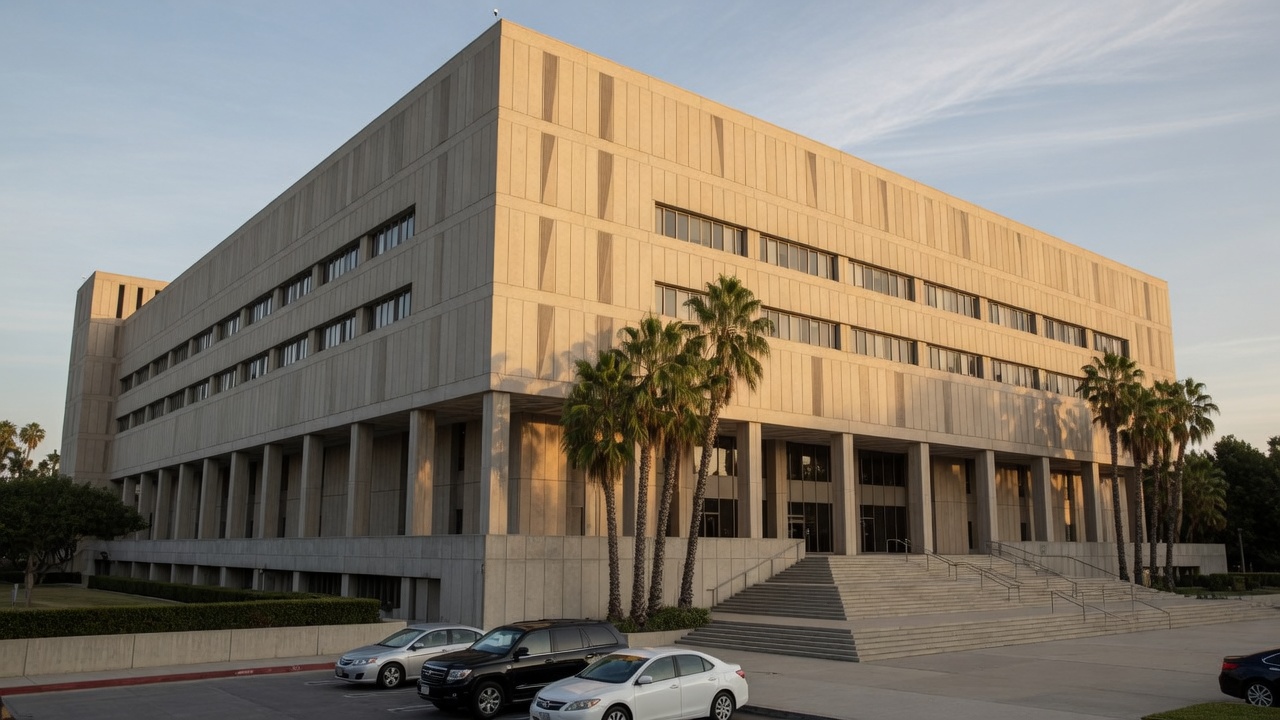
If your sale does end up in a court confirmation hearing, here is what that actually looks like at the Stanley Mosk Courthouse in downtown LA:
The judge reviews the petition to confirm the sale, confirms proper notice was given, and verifies that the accepted offer meets the statutory minimum — at least 90 percent of the probate referee's appraised value. Then the judge opens the floor for overbids.
Minimum Overbid Formula (Probate Code Section 10311)
On a property accepted at a given price, the first overbid must exceed the accepted offer by:
- 10 percent of the first $10,000
- 5 percent of the remaining balance above $10,000
Example: On an accepted offer of $700,000
Minimum overbid = 10% x $10,000 ($1,000) + 5% x $690,000 ($34,500) = $735,500
After the first overbid, the court sets minimum increments for additional bids. The winning bidder typically deposits 10 percent of the total price immediately and must close within 30 days.
For the estate, the confirmation hearing can work in your favor: competitive bidding sometimes drives the final sale price above what the original buyer offered. But for buyers, it introduces real uncertainty. An experienced probate real estate agent will price the property and structure the offer with overbidding dynamics in mind.
What This Means for Los Angeles Executors
Here is the practical takeaway for anyone selling a probate property in LA County:
- If you have full IAEA authority, the probate sale process is dramatically simpler. You can list the property, accept an offer, serve a Notice of Proposed Action, wait 15 days, and close. No courtroom auction. No overbidding drama.
- If you have limited IAEA authority, you still have options. The confirmation process is navigable, and many estates sell successfully through this route. But it takes longer, and both buyers and the estate need to be prepared for the overbidding dynamic.
- Ask your attorney at the outset whether your petition requests full IAEA authority. If it does not, or if you are dealing with a case where full authority was not granted, you can still petition the court to expand your authority later.
How the IAEA Interacts with the Probate Timeline
In Los Angeles County, probate timelines at the Stanley Mosk Courthouse tend toward 18 to 24 months from filing to final distribution, due to the court's heavy caseload. But IAEA authority can significantly compress the portion of that timeline related to selling real estate.
With full IAEA authority, the executor can list and sell the property as soon as Letters Testamentary or Letters of Administration are issued — typically within two to three months of filing the petition. The sale can close within 30 to 45 days after that, while the rest of the estate administration continues in the background. This means the family home can be sold, and proceeds distributed to beneficiaries, long before the estate formally closes.
LA County Probate Timeline with IAEA Full Authority
- Months 1-3 Petition filed, Letters issued, full IAEA authority granted
- Months 3-5 Property listed, offer accepted, Notice of Proposed Action served and 15-day window expires
- Months 5-7 Probate sale closes without court confirmation; proceeds available for distribution
- Months 7-24 Remaining estate administration (creditor claims, final accounting, distribution)
* Without full IAEA authority, the property sale portion extends through months 5-10 or longer, including the court confirmation hearing and potential overbidding process.
A Note on the 2026 Courtroom Changes
As of February 2026, the Los Angeles Superior Court updated its probate division assignments at the Stanley Mosk Courthouse. Judge Charles Q. Clay III was assigned to the newly opened Department 18, and all probate cases previously heard at the Michael D. Antonovich Antelope Valley Courthouse are now assigned and calendared at Stanley Mosk Department 18, with remote appearance options available. These changes have helped manage the court's caseload, but the fundamental IAEA authority process remains unchanged.
The Bottom Line
The IAEA is not a legal loophole or a special exception — it is California's default framework for probate administration, designed to let families manage estates without excessive court involvement. Understanding the distinction between full and limited authority is one of the most practical things you can do as an executor.
If you are serving as an executor or administrator in Los Angeles County, ask your probate attorney about IAEA authority on day one. Confirm whether your petition includes a request for full authority. This one conversation can save you months of court delays and thousands of dollars in legal fees.
\"When the foundation is right, everything that follows has a chance to work. Understanding your IAEA authority is that foundation for selling probate property in California.\"— Toni Patillo
Whether your sale needs court confirmation or can proceed under a simple Notice of Proposed Action, the key is knowing where you stand from the beginning. That knowledge puts you in control of the timeline, the process, and the outcome.

Written by Toni Patillo
Broker Associate · Certified Probate Specialist · 25+ Years Experience
Need to sell a probate property in Los Angeles?
Toni Patillo specializes in probate real estate throughout Southern California. She can help you understand your IAEA authority, prepare for court confirmation if needed, and guide you through every step of the process.