If you're serving as an executor or managing an estate in Los Angeles County, the probate court system is the arena where everything happens. And in 2026, that arena looks different than it did even a year ago. The court has implemented assignment changes, case timelines have shifted, and understanding the current landscape can mean the difference between an 8-month case and one that stretches past two years.
After 25+ years of guiding families through probate real estate at the Stanley Mosk Courthouse, I've learned that the single biggest source of stress for families is not knowing what to expect. So let me give you the clearest picture I can of how LA County Probate Court works right now, what has changed, and how you can navigate the system with confidence.
First, the Basics
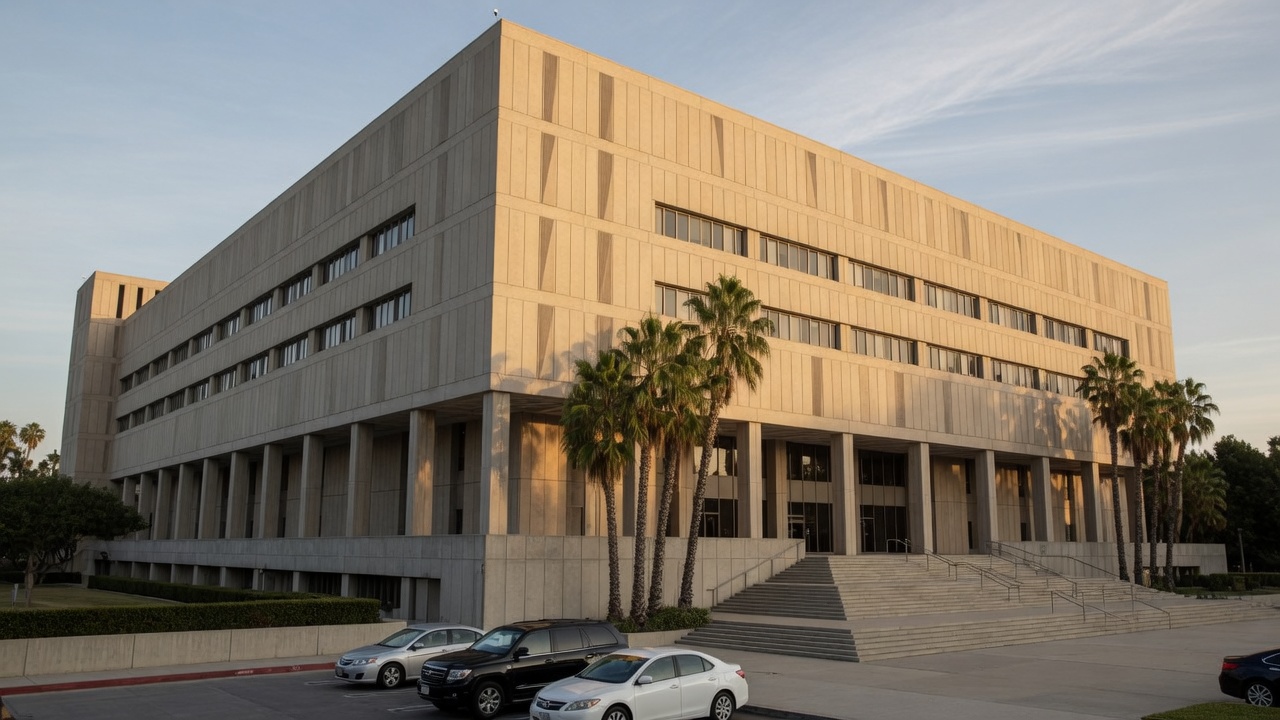
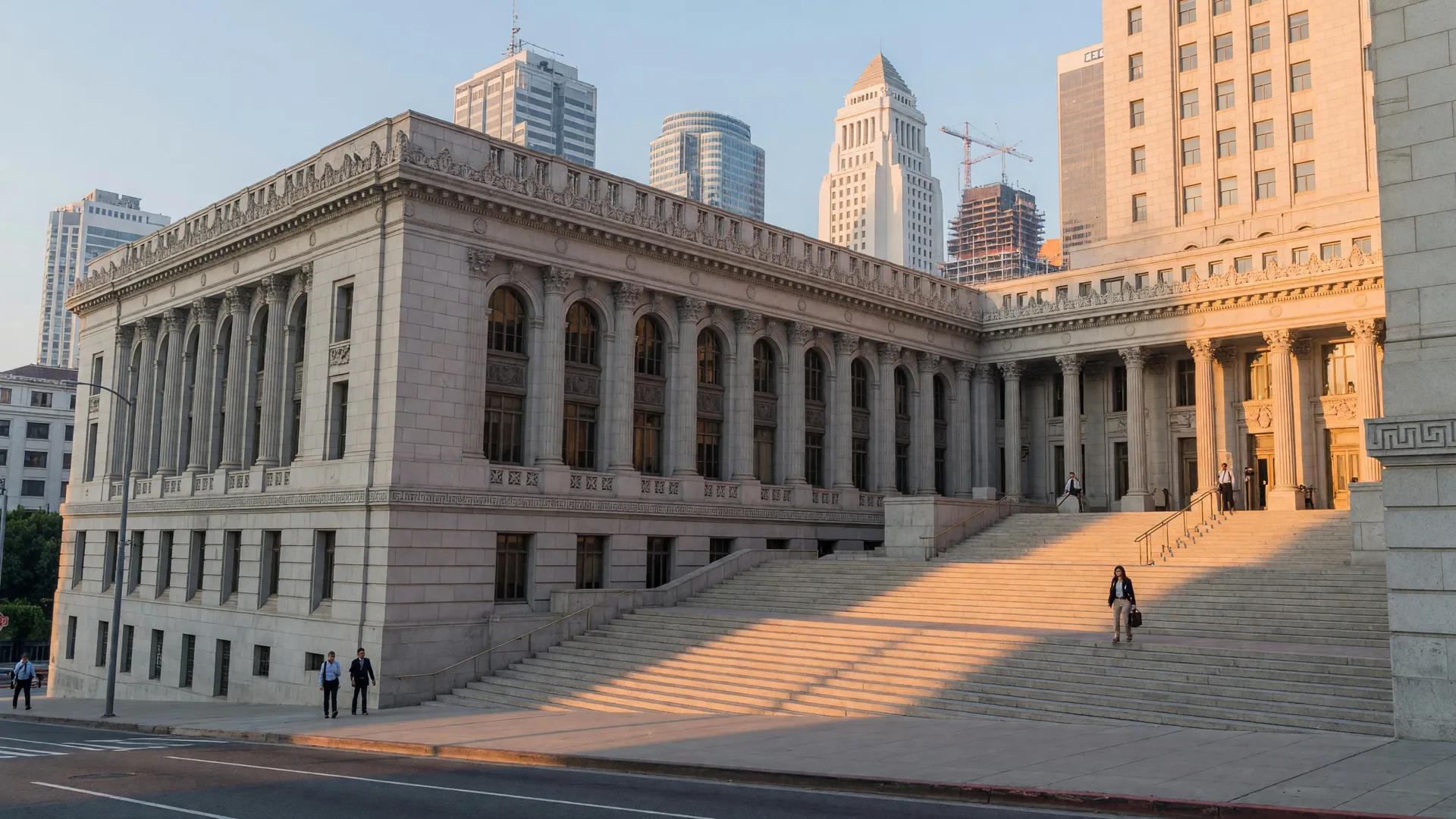
The Los Angeles Superior Court's Probate Division handles all probate matters in the county. The primary courthouse is the Stanley Mosk Courthouse at 111 North Hill Street, Los Angeles, CA 90012. Department 11 handles most probate proceedings, including initial petitions and confirmation hearings. The courthouse is open Monday through Friday, 8:30 AM to 4:30 PM, excluding court holidays.
What Changed in February 2026: New Courtroom Assignments
Effective February 2, 2026, the Probate Division implemented significant courtroom assignment changes at the Stanley Mosk Courthouse. These changes affect which judges hear which types of probate matters, and they have real consequences for how quickly your case moves through the system.
Before February 2026, probate assignments were more generalized. Now, the court has restructured its calendar to better distribute the workload across departments. While the exact department assignments shift periodically, the key takeaway is this: the court system is actively trying to manage its caseload, but with over 20,000 new probate filings each year in Los Angeles County alone, backlogs remain a genuine challenge.
Current Realities at the Stanley Mosk Courthouse
- First hearing wait time: Approximately 30 to 45 days from the date the petition is filed, depending on the department.
- Simple estate timeline: 8 to 12 months for a straightforward, uncontested probate with full IAEA authority and a cooperative family.
- Complex or contested estate timeline: 18 to 24 months, sometimes longer. Disputes, property valuation challenges, and court congestion all compound the timeline.
- Court confirmation hearing: Adds approximately 30 to 60 days to a property sale timeline when overbidding is involved.
- Filing fees: Range from approximately $435 for estates under $250,000 to $935 for estates valued over $2,000,000.
The Step-by-Step Probate Journey in LA County
Understanding the full timeline helps you plan — and plan around potential delays. Here's what the typical probate case looks like in Los Angeles County right now:
Step 1: File the Petition
Weeks 0–2Submit Judicial Council Form DE-111 (Petition for Probate) along with the original will, if one exists, to the Probate Division at the Stanley Mosk Courthouse. File in the correct department based on your case type. Pay the required filing fee and receive your case number and hearing date.
Step 2: Provide Notice
Weeks 2–6Serve notice to all heirs, beneficiaries, and interested parties. Publish notice to creditors in a local newspaper once per week for three consecutive weeks. In LA County, the Superior Court requires adherence to specific local rules regarding publication and notice content.
Step 3: First Hearing & Appointment
Weeks 6–8The court holds a hearing to confirm the executor or appoint an administrator. If uncontested, this hearing typically takes 15–20 minutes. Request IAEA (Independent Administration of Estates Act) authority at this hearing — it gives you the flexibility to manage and sell property without returning to court for every decision.
Step 4: Inventory & Appraisal
Months 3–5File an inventory and appraisal of all estate assets within 120 days of receiving your Letters. The probate referee appraises real property, but I strongly recommend also getting a market-based Comparative Market Analysis to understand the true value in today's LA market.
Step 5: Creditor Period & Property Management
Months 3–8The creditor claim period runs four months from the date Letters are issued. During this time, manage the property — maintain insurance, pay property taxes, secure the home, and handle any necessary repairs. This is also the window when property preparation for sale should happen.
Step 6: Property Sale (if applicable)
Months 4–9With full IAEA authority, you can list, market, and negotiate offers on the property. After accepting an offer, serve a Notice of Proposed Action (NOPA) to all interested parties. If no objections are filed within 15 days, the sale closes. Without IAEA, the sale requires a court confirmation hearing, which can add 30–60 days.
Step 7: Accounting & Distribution
Months 9–18+After debts, taxes, and expenses are paid, file a final accounting with the court and distribute remaining assets to beneficiaries. The court reviews the accounting and issues an order for final distribution. In LA County, complex or contested accountings can add several months to the timeline.
Why the 2026 Timelines Matter for Real Estate
If you're dealing with a probate estate that includes real property in Los Angeles, the court timeline directly affects your carrying costs. Every month of a probate case means another month of property taxes, insurance, HOA fees, utilities, and maintenance on a home that may not be generating income.
Let me put some real numbers on this. A typical Los Angeles County home with a market value around $850,000 carries approximately $10,000 to $13,000 in annual property taxes, plus $1,700 to $2,400 in insurance, plus routine maintenance. Over 18 months — a realistic timeline for a moderately complex LA County probate — that's $18,000 to $25,000 in carrying costs before a single penny goes to heirs.
This is why one of the most important decisions an executor can make early on is whether to sell the property during probate or wait until distribution. In most cases, selling early — even if it means some proceeds go toward estate expenses — is better for everyone than watching the estate's value erode month after month.
The 120-Day Inventory Deadline: Don't Miss It
Under California Probate Code Section 8800, the personal representative must file an inventory and appraisal of the estate's assets within 120 days after Letters are issued. This is a strict deadline, and missing it can have consequences — including potential removal by the court.
For real property, the inventory must include the probate referee's appraisal. But here's the thing: the probate referee's value is for court purposes. It doesn't always reflect fair market value. In Los Angeles, where market conditions shift rapidly between neighborhoods, the probate referee's number and a real estate professional's market analysis can differ significantly.
My advice: file the probate referee's appraisal within the 120-day window as required, but also get a Comparative Market Analysis from an experienced agent who knows the local market. You need both numbers in hand when making decisions about listing price and sale strategy.
"Whatever is Not in Alignment will be Purged. When you align your probate strategy with the reality of the court calendar, you stop fighting the system and start working with it."— Toni Patillo
Practical Strategies for Navigating the 2026 Court System
Having walked hundreds of families through the Stanley Mosk Courthouse, here are the strategies that I know make a real difference:
Request Full IAEA Authority from Day One
If the estate qualifies and there are no disputes, request full IAEA authority at your initial hearing. This allows you to sell property, manage assets, and handle distributions without returning to court for approval on every decision. In LA County, this single choice can save 3 to 6 months of court-related delays.
Hire a Probate Attorney Who is in Court Frequently
Not all probate attorneys are equal in their knowledge of LA County's specific procedures and local rules. An attorney who regularly appears at the Stanley Mosk Courthouse will know which judges prefer certain language, how to navigate the court's e-filing system, and how to get your hearing scheduled efficiently.
Start the Property Process Before the Creditor Period Ends
You don't have to wait until the creditor claim period closes to prepare the property for sale. Clean it, stage it, get a market analysis, and address essential repairs. The moment the creditor period ends and any required probate steps are complete, the property can go on the market immediately — saving months of carrying costs.
File BOE-502-D with the County Assessor Within 60 Days
California law requires that a Change in Ownership Statement (BOE-502-D) be filed with the LA County Assessor's Office within 60 days of a property transfer. This is a separate requirement from anything in probate court, and missing it can result in penalties. Your probate attorney or real estate agent should remind you of this deadline.
Communicate Transparently with All Heirs
One of the biggest sources of delay in LA County probate cases is family conflict. When heirs feel left out of the process or surprised by decisions, they are more likely to object to petitions, request accountings, and drag the case out. Regular, transparent updates — about timelines, expenses, and decisions — can prevent months of court battles.
Small Estates: The Easier Path Under AB 2016
For estates where the primary residence is valued at $750,000 or less, California's AB 2016 (effective April 1, 2025) offers a simplified path. Instead of going through full probate, heirs can file a Petition to Determine Succession to Primary Residence with the court. This is faster, requires less paperwork, and involves fewer hearings.
But here's the catch: even with AB 2016, you're still filing with the probate court, and you must still wait at least 40 days from the date of death, provide notice to all heirs, and attend a court hearing. The court's calendar still governs the timeline. In LA County, expect 3 to 4 months from filing to resolution for a straightforward AB 2016 petition — still far faster than the 8 to 18 months of full probate.
What About the Virtual Court Options?
Many families ask whether probate hearings can be done remotely. As of 2026, the Los Angeles Superior Court continues to offer remote appearances for many probate proceedings, though policies have shifted since the pandemic-era universal remote access. Currently, initial petition hearings and status conferences are often eligible for remote appearance, while evidentiary hearings and contested matters typically require in-person attendance.
Your attorney should confirm the current policy for your specific hearing type. Never assume a hearing is remote — check with the court or your attorney in advance. A missed in-person appearance can result in a continuance that adds weeks to your timeline.
Key Sources
- • Los Angeles Superior Court — Probate Division, Stanley Mosk Courthouse, 111 N. Hill Street, Los Angeles, CA 90012
- • LASC Probate Division Assignment Changes, effective February 2, 2026
- • California Probate Code Section 8800 — Inventory and appraisal deadline
- • California Probate Code Sections 10400-10564 — IAEA (Independent Administration of Estates Act)
- • California AB 2016, effective April 1, 2025 — Simplified transfer of primary residence up to $750,000
- • California Probate Code Section 8270 — Will contest 120-day deadline
"Everything is in Divine Order — even when the court calendar feels like its own universe. The system has a rhythm. Learn it, respect it, and work with it. That is how you move through probate without losing yourself in the process."— Toni Patillo
The Bottom Line
Los Angeles County's probate court is not getting faster on its own. With 18 to 24 month timelines for complex cases, courtroom assignment changes rolling out in 2026, and backlogs that are structural rather than temporary, families who approach the process with knowledge and strategy have a clear advantage.
The families I see succeed are the ones who get organized early, hire the right professionals, request full IAEA authority, address the real estate proactively, and communicate openly with everyone involved. The probate process has a rhythm. When you learn it and work with it, the path forward reveals itself.
If you're facing a probate case in Los Angeles County right now, you don't have to navigate it alone. Whether you're just filing the petition or you're in the middle of a complex case, I can help you understand where you are in the timeline, what to expect next, and how to move forward with clarity.
Quick Takeaways
- LA County probate cases currently take 8 to 12 months (simple) or 18 to 24 months (complex).
- Courtroom assignment changes at the Stanley Mosk Courthouse took effect February 2, 2026.
- Request full IAEA authority at your initial hearing to avoid repeated court visits.
- File the inventory and appraisal within 120 days of receiving Letters.
- Start preparing the property for sale as early as possible to reduce carrying costs.
- File the Change in Ownership Statement (BOE-502-D) with the LA County Assessor within 60 days of transfer.
- For primary residences valued at $750,000 or less, AB 2016 offers a simplified path that bypasses full probate.

Written by Toni Patillo
Broker Associate · Certified Probate Specialist · 25+ Years Experience
Need guidance on your LA County probate case?
Toni specializes in probate, trust, and estate real estate across Los Angeles and Southern California. She helps families navigate the court process with clarity and care — not confusion and stress.