If you are serving as executor for a loved one's estate in Los Angeles and you have just accepted an offer on the family home, you might assume the deal is done. But in many probate sales, one more step stands between that offer and the closing table: the court confirmation hearing. And at that hearing, someone in the gallery can actually outbid your buyer and pay the estate more money. After 25+ years guiding families across LA County, I have watched this moment surprise both sides, so let me walk you through exactly how it works, what it means for the estate, and why it is usually a protection, not a problem.
Why California Requires a Confirmation Hearing
The court's first job in probate is to protect the estate, and the heirs and beneficiaries who depend on it. When an estate's real property is sold without full authority under California's Independent Administration of Estates Act (IAEA), the sale must be reported to the court and confirmed before title passes. That rule lives in California Probate Code Section 10308, and it exists for a simple reason: so that a grieving family's most valuable asset cannot be quietly sold below its worth, to a favored buyer, or without real exposure to the market.
Think of the hearing as the court's final quality check on the deal. The judge sees the appraised value, the accepted offer, and the market activity around the property, then decides whether to confirm the sale in open court.
When Does a Probate Sale Need Court Confirmation?
The short answer depends on the executor's authority under the Independent Administration of Estates Act. If the estate has full IAEA authority, your attorney may be able to use a Notice of Proposed Action path instead, which allows the sale to proceed if no one objects and no confirmation hearing is required. If the estate only has limited authority, or if the offer is routed through the ordinary sale process, court confirmation is required before the deal can close.
The first practical step, then, is to read your Letters carefully with your probate attorney and ask one direct question: does this sale need a confirmation hearing, or is a Notice of Proposed Action available? I explain the full versus limited distinction in depth in my guide to IAEA authority in California, because it shapes everything else that follows.
How the Confirmation Process Works, Step by Step
When confirmation is required, here is the shape of the process in Los Angeles County:
- The executor accepts an offer. In practice, the strongest offers on probate homes are non-contingent and come in at or above 90% of the appraised value, which gives the court confidence the price is legitimate.
- Your attorney petitions the court for confirmation. A hearing date is set, typically 20 to 40 days out in LA County, and notice goes out to the heirs and beneficiaries so anyone with an interest in the estate can appear.
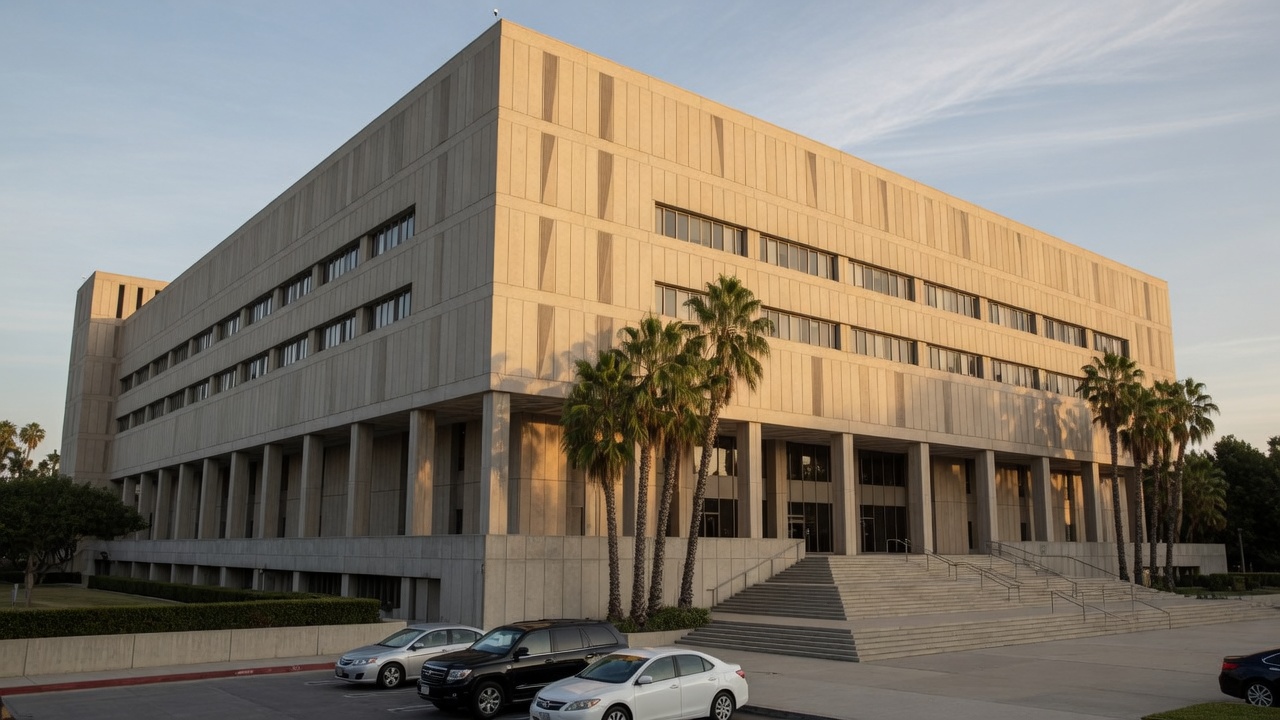
- The hearing takes place at the courthouse. Los Angeles County probate matters are heard in the Superior Court probate division, most often at the Stanley Mosk Courthouse in downtown Los Angeles.
- Anyone may overbid. At the hearing, members of the public may step forward and bid on the property, and the court entertains those bids under a specific statutory formula.
- The court confirms to the highest qualified bidder. If the price is fair and reasonable, the judge confirms the sale, and the winning bidder immediately pays a deposit of at least 10% of the purchase price in cash or certified funds.
- Closing follows confirmation. Once the court signs off, the transaction moves to escrow and closes like a standard sale.
The Overbid Formula: Ten Percent, Five Percent, and Real Numbers
The overbidding rules are set out in California Probate Code Section 10311, and they are more precise than most people expect. The minimum first overbid must exceed the accepted offer by 10% of the first $10,000, plus 5% of the amount above $10,000. Once that floor is met, subsequent bids rise in increments set by the judge, and the court confirms the sale to the highest qualified bidder in the room.
A Worked Example
Imagine the estate accepts an offer of $900,000. The minimum first overbid is calculated this way:
- 10% of the first $10,000 = $1,000
- 5% of the remaining $890,000 = $44,500
- Minimum first overbid = $945,500
So an overbidder cannot simply tack on a token $5,000. The bid has to clear that statutory floor, which is one of the ways the law keeps the process honest.
And overbidders must arrive ready to act. The winning bidder has to pay a deposit of at least 10% of their bid in cash or certified or cashier's check at the hearing. That requirement filters out people who want to play games in front of the judge.
Good News for the Estate: Overbidding Usually Helps
Here is the part most executors find surprising: overbidding can only move the price in one direction for the estate, up. If a hearing draws multiple bidders, the estate may walk away with thousands of dollars more than the original offer. I have sat through confirmation hearings in LA County where the final confirmed price substantially exceeded the accepted offer, and the beneficiaries were, understandably, relieved to be getting more, not less.
The confirmation hearing is not a threat to your sale. It is the market's last chance to pay the family what the home is actually worth, under a judge's supervision, with the proceeds going directly to the estate and its beneficiaries. When families understand that, the anxiety tends to melt away.
What Can Go Wrong, and How to Steer Clear
Overbidding is not risk-free, and I want you to walk into the hearing with clear eyes. A few things to watch:
- An overbidder who cannot perform. The original accepted buyer usually arrived through a thorough pre-qualification and financing process. An overbidder at the courthouse steps may not have the same backing, and if their financing falls through, the estate has lost time and gained stress. This is one reason experienced probate counsel vets the room and may object where the court's confidence is not warranted.
- An appraisal gap. If the overbid pushes the price well beyond what a lender will appraise the home for, the deal can collapse later in escrow. The court will not confirm a price it finds unfair or unreasonable, but that is not the same as a lender's appraisal, so pricing discipline still matters.
- Timeline creep. A contested hearing can add weeks or even months in a busy courthouse like LA County's. That is not necessarily a reason to avoid the process; it is a reason to plan for it.
Practical Tips for Executors Facing a Hearing in LA County
Over the years, I have developed a short checklist I share with the families I work with before a confirmation hearing:
- Build the right team early. Work with a probate attorney who knows the LA County courts, and a real estate agent who has sat through confirmation hearings at the Stanley Mosk Courthouse. Local practice matters here more than almost anywhere else in the process.
- Understand your appraisal. Confirm that your accepted offer is at least 90% of the probate referee's appraised value. That benchmark gives the court confidence in the sale and protects the estate if someone tries to lowball the property.
- Know whether a Notice of Proposed Action is open to you. With full IAEA authority and an unopposed transaction, your attorney may be able to shorten the timeline dramatically. Read more in my IAEA authority guide.
- Keep the heirs informed. The hearing is public, and any beneficiary can appear. A short, honest family update before the hearing date prevents surprises in the gallery.
- Prepare for the deposit requirement. Confirm that any overbidder and the estate's own records account for certified funds at the hearing. It is one of those details that seems administrative until it decides an outcome.
Questions Families Ask Me About Confirmation Hearings
"Can our buyer get outbid at the hearing?" Yes. Anyone may overbid in open court, which is precisely why some buyers hesitate on probate homes. Gently remind your buyer that a higher confirmed price means the estate benefits, and the process is transparent from the first day.
"Do we have to accept the highest bid?" The court confirms the sale to the highest qualified bidder provided the price is fair and reasonable and the bidder can perform. The judge has real discretion here, and your attorney can advocate for the estate's interest if a bid looks unsound.
"What if a family member objects?" Beneficiaries can appear and raise concerns. Objections are uncommon in a well-run sale, but when they happen, the court listens, and having an experienced probate attorney on your side makes all the difference in how smoothly the hearing proceeds.
"Everything is in Divine Order. The same courtroom that can feel intimidating is, in practice, one of the strongest protections California gives a grieving family's greatest asset."Toni Patillo
What You Can Do Right Now
If a probate sale is on your horizon in Los Angeles County, here are three steps you can take this week:
- Check your Letters for IAEA authority. Full versus limited authority decides whether a confirmation hearing is even required.
- Have the appraisal conversation. Ask your probate referee and attorney where the appraised value sits relative to your listing strategy, so you are never negotiating from a weak position.
- Interview probate-experienced professionals now, not after the offer arrives. The whole process, from listing to close, is laid out step by step in my complete guide to selling a probate property in LA County.
The confirmation hearing is one of the least understood parts of a probate sale, but it does not have to be one of the most stressful. With the right team, the right appraisal, and a clear picture of how overbidding works, families in Los Angeles move through this step with confidence, and often with a better outcome than they expected.

Written by Toni Patillo
Broker Associate · Certified Probate Specialist · 25+ Years Experience
Facing a probate sale or confirmation hearing in LA County?
Toni specializes in guiding Los Angeles families through probate, trust, estate, and inherited property decisions with clarity and care. Schedule a free consultation to talk through your situation.
This is an education-first resource. When you are ready to take the next step, visit calltoninow.com to learn more about Toni's broader work, or book time directly above.