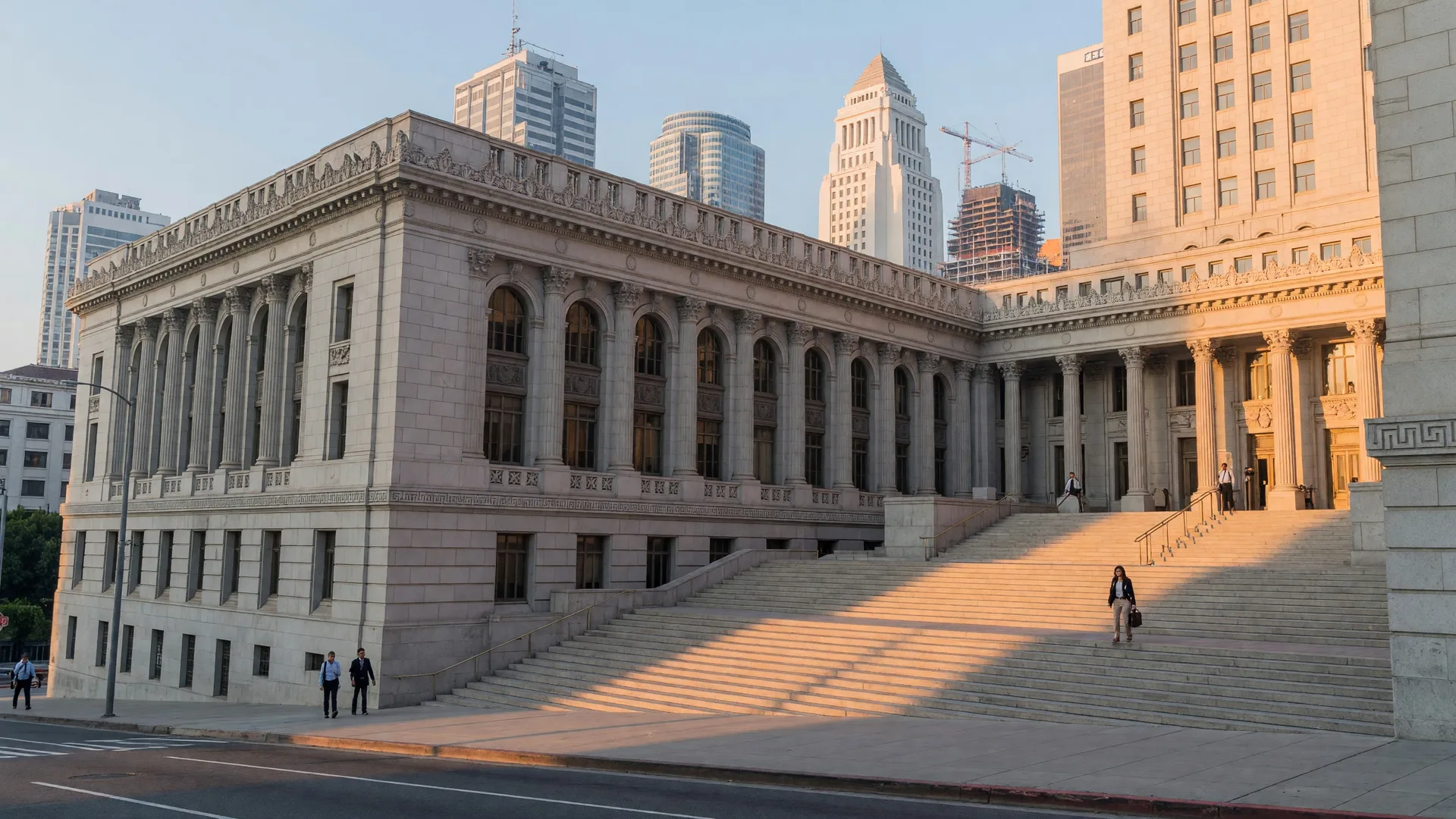
Probate in Los Angeles County takes longer than almost anywhere else in California, and new numbers from the Judicial Council's 2026 Court Statistics Report show exactly why: the county logged 12,051 estate and trust probate filings in fiscal year 2024-25, which is 28.7 percent of the entire state's 41,985 filings. When one county carries nearly three of every ten probate cases in California, the court calendar stretches, and families feel it in months of waiting and rising carrying costs on the family home. This article breaks down the numbers behind the LA backlog and what executors and heirs can do about it.
In 25 years of guiding Los Angeles families through probate, I have watched the same pattern repeat: a family loses a parent, the house needs to be dealt with, and someone tells them "probate just takes a while." What nobody tells them is why, or how long "a while" really is, or what they can do to keep the wait from draining the estate. The new court statistics give us the clearest picture yet. Let me walk you through what the numbers say, what they mean for the family home, and how to protect the estate while the calendar does its work.
"Everything is in Divine Order. When a family knows the real timeline before the court process starts, you can plan around it instead of being surprised by it."Toni Patillo
The Scale of the Problem: One County, Nearly a Third of the State's Cases
The Judicial Council of California publishes an annual Court Statistics Report, and the 2026 edition covers filings from fiscal year 2024-25. The headline for anyone in probate: Los Angeles County recorded 12,051 estate and trust probate filings that year, which is 28.7 percent of the statewide total of 41,985. When you add conservatorships and guardianships, the Probate Division handled 18,304 filings in a single year. No other county in California comes close.
Why does the county's share matter to a single family? Because probate is a queue. Every estate needs a hearing to appoint the personal representative, a window for creditors, an inventory, and, in many cases, a sale confirmation. All of those steps are scheduled on the same court calendar, and that calendar is shared by every other estate in the county. When Los Angeles carries 28.7 percent of the state's probate workload, the wait for a hearing date is not a reflection of your case. It is a reflection of the line.
The Numbers at a Glance
- 12,051 estate and trust probate filings in Los Angeles County in fiscal year 2024-25, per the Judicial Council's 2026 Court Statistics Report.
- 28.7 percent of the statewide total of 41,985 probate filings. Los Angeles is the largest probate jurisdiction in California by a wide margin.
- 18,304 total Probate Division filings in the county when conservatorships and guardianships are included.
- 12 to 24+ months from filing to final distribution for a typical LA County probate, with Stanley Mosk Courthouse cases tending toward 18 to 24 months, according to industry analyses.
What the Wait Actually Looks Like
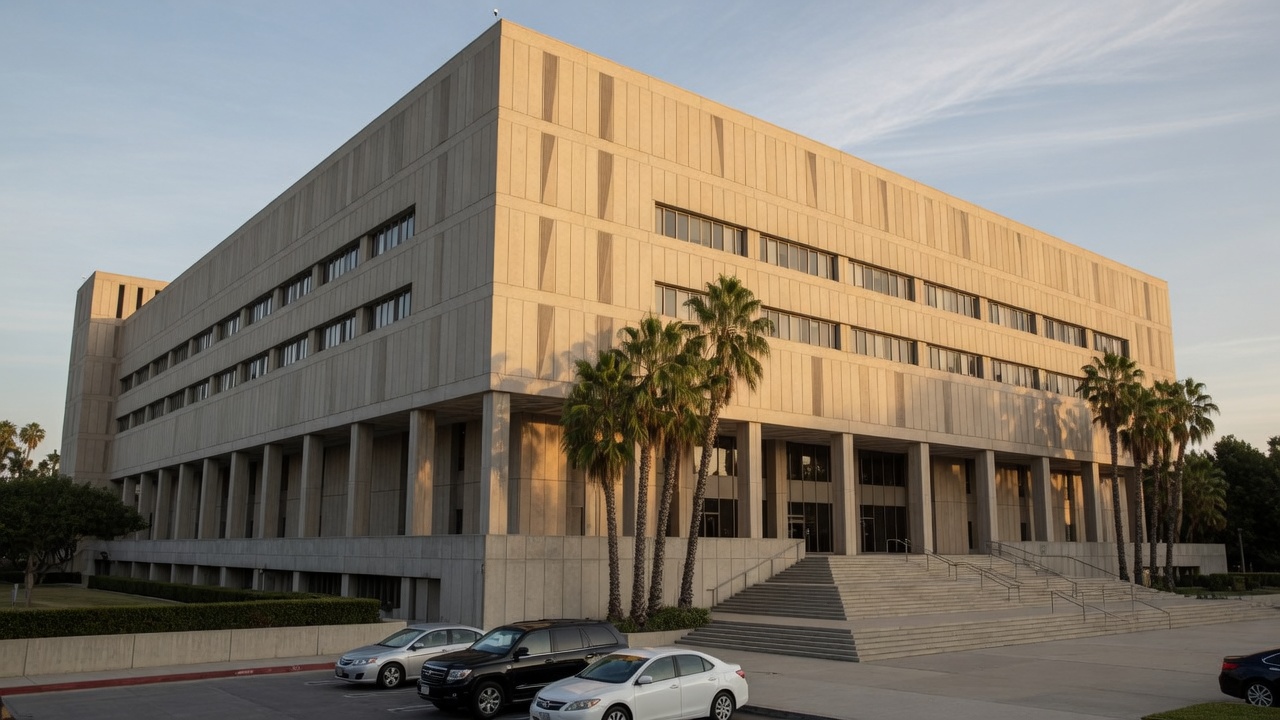
The statistics tell you how many cases are in line. To understand what that means week to week, it helps to look at how the early steps actually move. Getting an initial hearing date at the Stanley Mosk Courthouse currently takes about 30 to 45 days, and some attorneys report waiting six to eight weeks. A 2026 review of 389 Los Angeles estate cases found that 38 percent had their first hearing set on more than one date before the personal representative was appointed, with each reset pushing the hearing back a median of 52 days. In that same review, letters of administration were issued a median of 91 days after the petition was filed.
Let me translate that into a family's experience. Three months after filing, the executor may just be receiving the letters that give them legal authority to act on the estate. The four-month creditor window starts from that point, not from the date of death. The inventory is due 120 days after that. Before the family has finished grieving, half a year has passed and the estate has barely begun its work. None of this means anyone did anything wrong. It is the arithmetic of a crowded calendar.
A Realistic LA County Timeline in 2026
- Petition filed: the case enters the queue at the Stanley Mosk Courthouse.
- First hearing: roughly 30 to 45 days after filing, sometimes longer depending on the department.
- Letters issued: a median of about 91 days after filing in the 2026 review of 389 LA cases. The creditor claim window, four months, starts here.
- Inventory due: within 120 days of letters, per Probate Code Section 8800.
- Final distribution: 12 to 24+ months from filing for most estates; contested or complex cases run longer.
Why the Calendar Matters So Much for the Family Home
In most Los Angeles estates, the family home is the largest asset, and it is the asset that bleeds money while the case sits in line. Property taxes, insurance, utilities, HOA dues, and maintenance keep accruing every month the estate is open. In a county where home values and property tax bills run high, a year of waiting can easily cost the estate tens of thousands of dollars before a single dollar reaches the heirs. I have seen estates where the carrying costs of a long probate quietly consumed a meaningful share of the inheritance.
This is the part that breaks my heart, because it is avoidable. The court calendar is what it is, but the estate's response to it is a choice. Families that treat the waiting period as planning time, not dead time, protect the value of the home. Families that wait for the case to "move along" before they think about the property watch the equity erode month after month.
A Real-World Scenario: A Home in the San Fernando Valley
A mother in the San Fernando Valley passes away, and her estate includes the family home, which must go through probate in Los Angeles County. Her two adult children are named co-executors. They file the petition in March, and the first hearing is set for late April, about six weeks out. The hearing is continued once, pushing the appointment to early June, and letters are issued a few weeks after that. The creditor window runs through October. By the time the family can comfortably list the home, nearly eight months have passed since filing, and the property taxes, insurance, and utilities for those months have come out of the estate. The children did everything right. The calendar simply took its time, and the estate paid for the wait.
What the family could have done differently: requested full IAEA authority at the first hearing, hired an attorney who appears at Stanley Mosk regularly, and started preparing the home for sale, cleaning, decluttering, and getting a market analysis, during the creditor window. When the estate was finally free to sell, the home could have hit the market immediately instead of sitting another two months while the family scrambled.
What the Court Is Doing About the Backlog
The court has not been idle. Effective February 2, 2026, the Probate Division opened Department 18 at the Stanley Mosk Courthouse as a new probate department, part of a set of assignment changes designed to spread the caseload across more judges. In February 2026 the court also updated probate operations at the Antelope Valley Courthouse, creating Department AVPR, where cases appear remotely before a judicial officer at Stanley Mosk. And since July 2024, the court has piloted LACourtConnect remote appearances in select Stanley Mosk probate courtrooms, which saves families and attorneys the drive downtown for routine hearings.
These changes are real and welcome. But the honest truth is that they are managing a structural caseload, not shrinking it. When one county carries 28.7 percent of the state's probate filings, adding a department helps at the margins. The families who fare best are the ones who assume the calendar will be slow and plan their estate work around that assumption.
What Executors and Families Can Do: A Practical Playbook
- Request full IAEA authority at the first hearing. The Independent Administration of Estates Act lets the executor sell property and manage assets without returning to court for approval on every decision. In LA County this one choice can save months of hearing dates.
- Hire a probate attorney who appears at Stanley Mosk regularly. Local knowledge of department preferences, e-filing, and scheduling can get your hearing dates set efficiently the first time, which matters when 38 percent of first hearings get reset.
- Prepare the property during the creditor window. Clean it, declutter it, get a market analysis, address essential repairs. The moment the estate is free to sell, the home can list immediately instead of waiting for the family to catch up.
- File the inventory within 120 days of letters. Probate Code Section 8800 sets the deadline, and the probate referee's appraisal is part of it. Get a market-based comparative market analysis alongside it, because the referee's value is for court purposes, not necessarily the market.
- File BOE-502-D with the LA County Assessor within 60 days of transfer. This is a separate deadline from anything in probate court, and missing it can bring penalties.
- Keep every heir informed. Objections and disputes are the single biggest source of added delay. Transparent updates about timelines, expenses, and decisions prevent months of court battles.
- Check the small-estate paths. For a primary residence valued at $750,000 or less, AB 2016 offers a simplified transfer that can bypass full probate. It still runs on the court calendar, but it is a fraction of the process.
- Use remote appearances where the court allows them. LACourtConnect and similar options spare the executor and attorney the trip downtown for routine hearings, which keeps the case moving and the family's costs down.
Key Sources
- • Judicial Council of California, 2026 Court Statistics Report: Los Angeles County recorded 12,051 estate and trust probate filings in fiscal year 2024-25, 28.7 percent of the statewide total of 41,985; the Probate Division handled 18,304 filings including conservatorships and guardianships
- • A 2026 review of 389 Los Angeles estate cases: 38 percent had the first hearing set on more than one date before the personal representative was appointed, each reset moving the hearing a median of 52 days; letters of administration were issued a median of 91 days after filing
- • Industry analyses of California probate timelines: Los Angeles County cases run roughly 12 to 24+ months from filing to distribution, with Stanley Mosk cases tending toward 18 to 24 months
- • Superior Court of Los Angeles County: Probate Division assignment changes effective February 2, 2026, including new Department 18 at the Stanley Mosk Courthouse; February 18, 2026 notice on Antelope Valley Courthouse probate operations (Department AVPR, remote appearances before a judicial officer at Stanley Mosk)
- • Superior Court of Los Angeles County: LACourtConnect remote appearance pilot in select Stanley Mosk probate courtrooms, beginning July 2024
- • California Probate Code Section 8800 (inventory and appraisal within 120 days of letters) and Sections 10400-10564 (IAEA authority)
This article is general education, not legal advice. Every estate, every family, and every situation is different. Consult a licensed California attorney before making decisions about a probate estate or an inherited home.
Wondering where your family's estate sits in the LA County timeline, or how to keep the family home from losing value while the case moves? Let us talk.
Toni Patillo specializes in probate, trust, and estate real estate throughout Los Angeles and Southern California. With 25+ years of experience and 1100+ homes sold, she helps executors and families navigate complex property decisions with clarity and care. You can also explore more of Toni's work and philosophy at her personal brand site, calltoninow.com.

Written by Toni Patillo
Broker Associate · Certified Probate Specialist · 25+ Years Experience