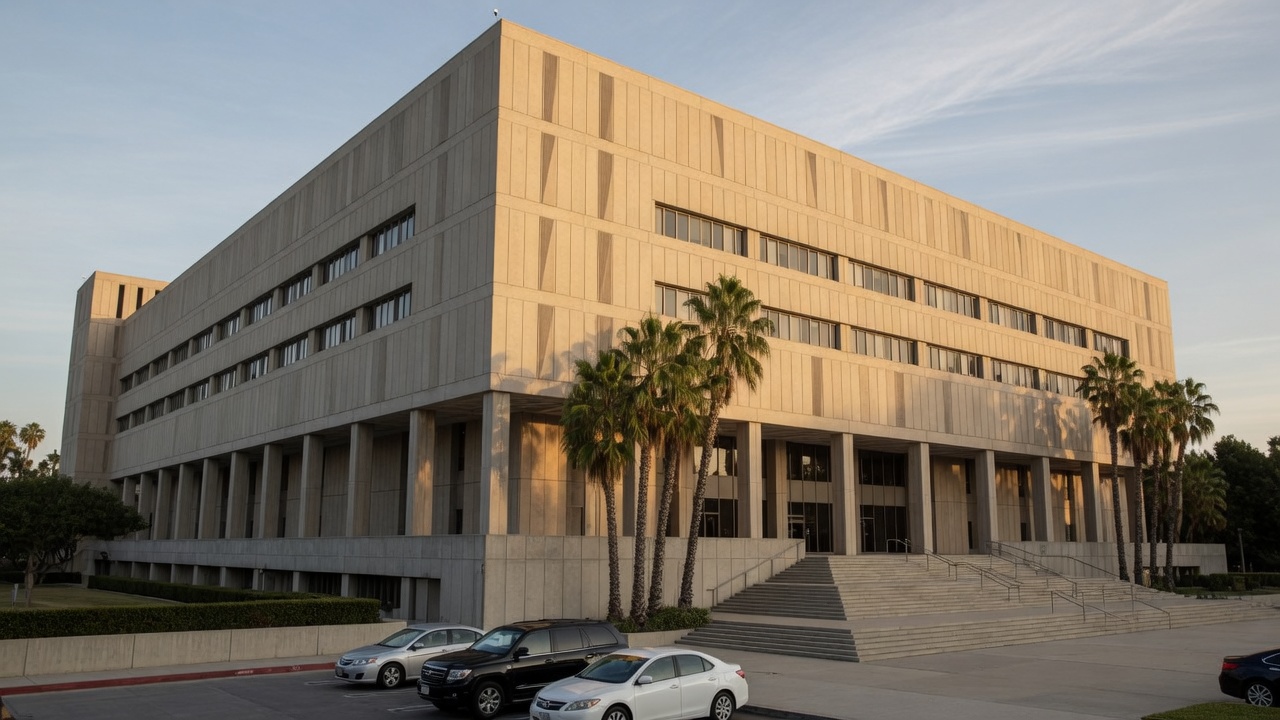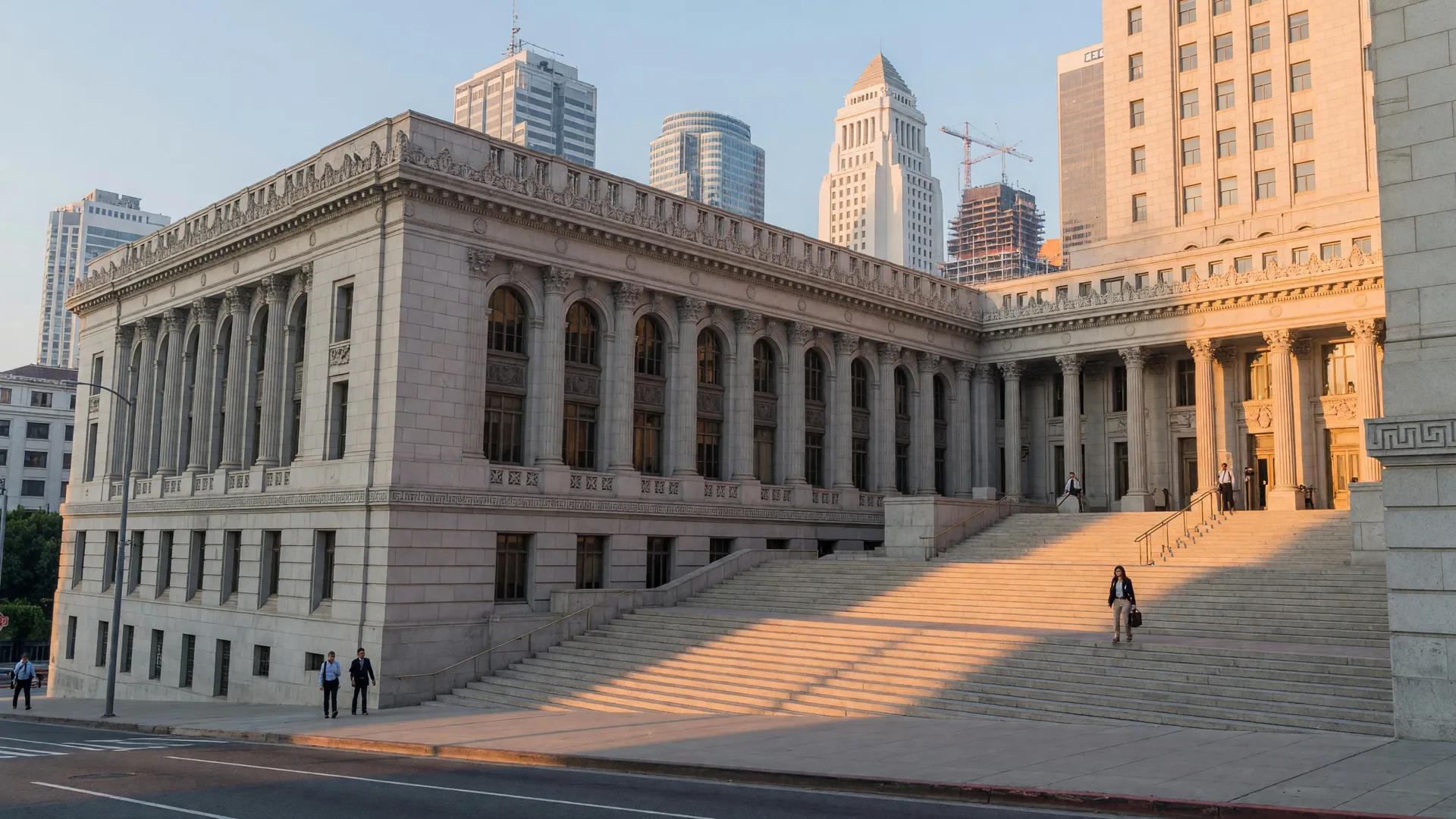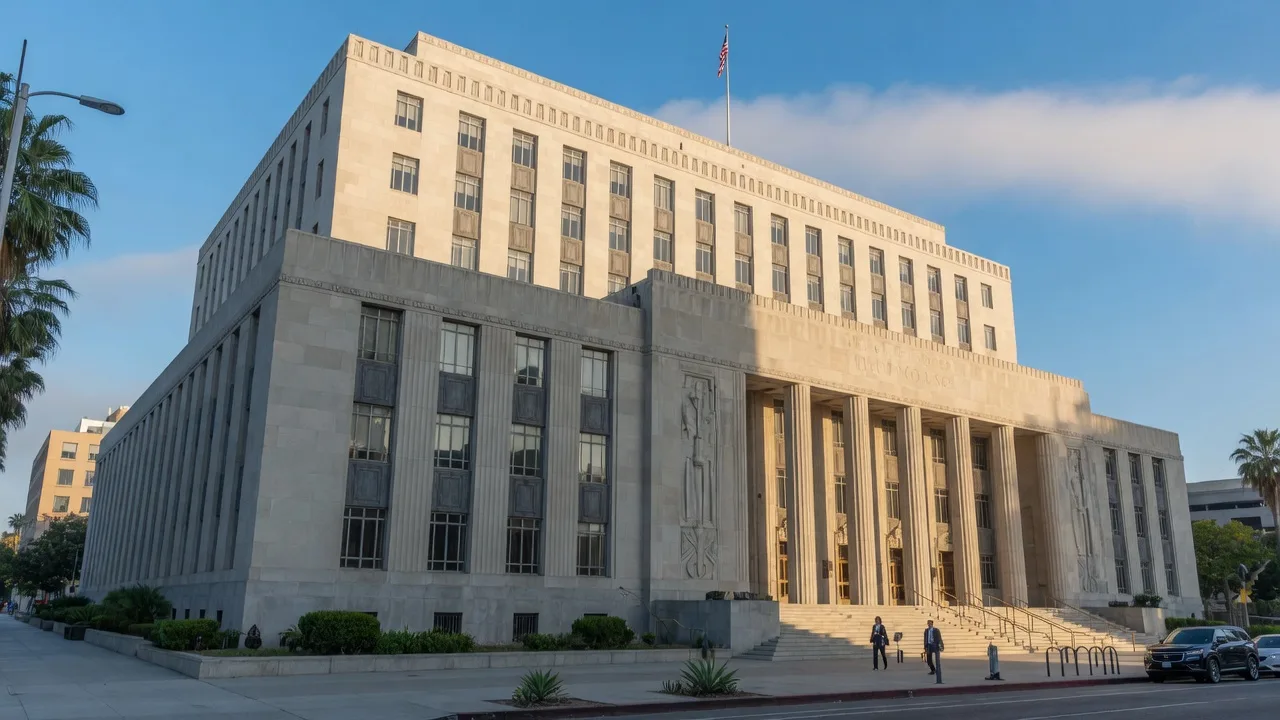
You have found a buyer for the probate property. The offer looks good. But in an LA County probate sale, that is only half the story. The real drama happens in a courtroom at 111 North Hill Street, where a judge decides whether to confirm the sale — and where a stranger can walk in, raise a paddle, and buy the property out from under your buyer.
This is the court confirmation hearing. It is one of the most misunderstood parts of the California probate process, and for good reason: nothing in a standard real estate transaction prepares you for it. After 25+ years navigating these hearings in Los Angeles County, I can tell you that preparation makes all the difference. Here is exactly how it works.
When Is Court Confirmation Required?
Court confirmation is not automatic. Whether you need to go through this step depends entirely on the type of authority the executor has received from the court:
Full IAEA Authority
No court confirmation needed. The executor can sell the property like a standard transaction using a Notice of Proposed Action (NoPA) with a 15-day objection period.
Limited IAEA Authority
Court confirmation is required. The sale must be approved by a judge, and overbidders may appear at the hearing.
No IAEA Authority
Court confirmation required for every step. Every sale, every major decision must come before the judge for approval.
Here is a truth most executors discover the hard way: Full IAEA authority is not granted automatically. It must be specifically requested in the initial Petition for Probate (Form DE-111). If your probate attorney did not check the right boxes, or if the judge did not grant full authority at the initial hearing, you will be operating under limited authority — and that means every property sale goes through the confirmation process.
Practical Tip
You can request full IAEA authority even after the initial probate hearing by filing a Petition for Modification of Authority (Form DE-111 with updated boxes checked). In LA County, this typically requires a separate hearing and about 4 to 6 weeks. Build this into your timeline if you want to avoid the confirmation hearing altogether.
The 90% Rule: Your Minimum Sale Price
Before you can present any offer to the court, California law requires that the sale price meet a specific minimum threshold. Under Probate Code Section 10309, the court cannot confirm a sale for less than 90% of the probate referee's appraised value.
The probate referee is a court-appointed appraiser who values all estate assets, including real property. Their appraisal sets the floor for any sale. If the property was appraised at $950,000 by the referee, the minimum acceptable offer is $855,000 (90% of $950,000). Any offer below that threshold triggers additional court scrutiny and is rarely approved.
Important nuance: The referee's appraisal is not the same as a market appraisal. Referees may use different valuation methods than a typical real estate agent's Comparative Market Analysis. I have seen referee appraisals come in both above and below current market value. If the referee's appraisal seems low, buyers get a bargain floor. If it seems high, it can be difficult to attract offers that meet the 90% threshold. This is one reason I always recommend getting a full market analysis before the referee's appraisal, so you can flag any concerns early.
How the Overbidding Process Works
This is the part that surprises most people. At a court confirmation hearing, the probate judge does not simply rubber-stamp the accepted offer. Instead, the judge opens the floor to overbids from any qualified buyer in the room. The calculation of the minimum first overbid is governed by California Probate Code Section 10311, and it is not a simple "10% more."
Calculating the Minimum Overbid
The minimum first overbid is calculated using this two-tier formula:
Minimum First Overbid = Accepted Offer + (10% of the first $10,000) + (5% of the remaining amount)
Let me show you how this works with a real-world LA property example:
| Accepted offer | $825,000 |
| 10% of first $10,000 | + $1,000 |
| 5% of remaining $815,000 | + $40,750 |
| Minimum first overbid | $866,750 |
Once the first overbid is made, subsequent overbids follow a slightly different formula: 5% of the first $10,000 plus 2% of the remaining amount over the previous bid. This means the bidding goes like this:
The court confirms the sale to the highest qualifying bidder at the hearing. This means your buyer could lose the property — even after inspections, even after escrow opened — if someone shows up at the courthouse ready to bid higher.
Real-World Scenario
I worked with an executor who accepted an offer of $780,000 on a probate property in the San Fernando Valley. The property was a 3-bedroom, 2-bath mid-century home that needed cosmetic updates. The referee's appraisal was $810,000, comfortably above the 90% threshold. At the confirmation hearing, two investors showed up ready to bid. The property ultimately went to an overbidder at $862,000 — $82,000 above the original accepted offer. The original buyer lost the home. The estate gained $82,000. The executor was thrilled, but I learned a lesson about managing buyer expectations in probate sales. Always warn your buyer that court confirmation means the property is not theirs until the judge bangs the gavel.
The Hearing Timeline: What to Expect at LA County Probate Court
If your sale requires court confirmation, here is the typical timeline in Los Angeles County in 2026:
Accept the Offer and Open Escrow
With a probate-savvy real estate agent, you write an accepted offer with a contingency that accounts for the court confirmation process. Escrow opens, but the sale is not final.
Return of Appraisal
The probate referee confirms their appraisal in writing. This can take 4 to 8 weeks from the initial appraisal inspection, depending on the referee's workload.
File Petition for Confirmation of Sale
Your probate attorney files Form DE-305 with the court, along with a hearing date request. Filing fees in LA County range from $435 to $550.
Notice of Hearing
Notice must be given to all interested parties (heirs, creditors, the probate referee) at least 15 days before the hearing. The court also requires publication notice in a local newspaper.
Hearing Date
Typically scheduled 45 to 60 days after the petition is filed, depending on court availability. Hearings are held at the Stanley Mosk Courthouse, Department 11 (or Department 5 for some probate matters). Plan for the hearing to last 15 to 30 minutes, though you may wait for hours as the court works through a docket of 30+ cases.
Court Confirmation (or Overbidding)
The judge reviews the sale, opens the floor for overbids, and confirms the sale to the highest qualifying bidder. If no overbids are made and the requirements are met, the judge confirms the sale to your buyer. Escrow closes within 30 to 45 days after confirmation.
Total Timeline: 4 to 6 Months from Start to Close
From the initial filing of the probate petition to the final closing of a court-confirmed sale, families in Los Angeles County should plan for approximately 4 to 6 months. This is significantly longer than a standard real estate transaction. If the executor has full IAEA authority and can use the NoPA process instead, that timeline can shrink to 3 to 4 months.
Who Can Overbid at the Hearing?
Overbidders do not have to be pre-approved or registered in advance. Anyone who shows up at the hearing can participate — but they must meet specific requirements:
- Cash or certified funds. Overbidders must generally provide a cashier's check or certified funds for 10% of their bid amount at the hearing. This is non-refundable if they win the bid and fail to close.
- No financing contingency. Overbids are typically cash-only. The court does not want to wait for a loan approval. Some judges allow proof of financing, but cash is the standard.
- No inspection contingency. Overbidders buy the property "as-is" based on the condition at the hearing. They cannot renegotiate after winning the bid.
- The original buyer may also bid. The original buyer who made the accepted offer can raise their own bid to match or exceed the overbidders. This is called "bidding in" and is one way the original buyer can protect their position.
In practice, the most common overbidders I see at LA County probate hearings are real estate investors who specialize in probate properties. They track court filings, know the overbid formulas, and arrive ready with certified checks. But I have also seen neighbors, family friends, and first-time buyers successfully overbid and win properties at confirmation hearings.
How to Prepare Your Property for a Successful Confirmation
Whether you are the executor hoping for a smooth confirmation, or the buyer hoping to close on your offer, preparation matters. Here is what I recommend:
For Executors
- • Price it right from the start. If you price the property near or at market value, the chance of overbidding drops significantly. Overbidding happens most often when the accepted offer is noticeably below market value — typically because the executor wanted a quick sale or the property needed work.
- • Prepare the property for showings. A well-presented property attracts stronger initial offers, reducing the gap between the accepted offer and what an overbidder would pay. Clean, declutter, make basic repairs, and stage if the budget allows.
- • Work with a probate-experienced agent. A standard listing agent who has never been through a probate confirmation hearing will be learning on the job. A probate specialist knows the forms, the timeline, the court, and how to manage buyer expectations.
- • Communicate with the original buyer. The buyer who made the accepted offer can become your strongest ally at the hearing — if they are prepared to bid in. Let them know the process, explain the overbid formula, and encourage them to show up ready to compete if necessary.
- • Have all documents ready. The court will require: the original accepted offer, proof of the probate referee's appraisal, proof of notice to all interested parties, the sale terms, and a declaration from the executor that the sale is in the best interests of the estate.
For Buyers of Probate Properties
- • Understand that your offer is not final. In a probate sale requiring court confirmation, your offer is a floor, not a final price. You can and should still do your due diligence (inspections, title review), but recognize that you may need to bid higher at the hearing.
- • Show up at the hearing. If you want to keep the property, you must be at the courthouse on the hearing date. If you do not appear, you lose the property by default if any overbidder shows up.
- • Bring cash or certified funds. If you plan to overbid (including matching an overbid), you need to be able to demonstrate your financial capacity. A bank letter pre-approving a cash offer works in some courtrooms, but a cashier's check is safer.
- • Know your walk-away number. Before the hearing, decide the absolute maximum you are willing to pay. Overbidding can feel competitive and emotional. Have a number in mind and stick to it.
The Overbidding Myth
There is a persistent myth that court confirmation always leads to overbidding. In reality, most probate sales in Los Angeles County are confirmed at the original accepted offer price. Overbidding happens most often when the accepted offer was significantly below market value — either because the property was priced to sell quickly via probate or because the market has moved since the offer was accepted. A well-priced property with a realistic offer, presented to a prepared court, often sails through confirmation without a paddle raised.
What Happens After Confirmation?
Once the judge confirms the sale, the process moves quickly:
- The buyer deposits the balance. The successful bidder typically has 30 days to deposit the remaining purchase price, though shorter timelines (10 to 15 days) can be negotiated.
- The court issues an Order Confirming Sale. This is the judge's written order approving the transaction. It serves as the legal basis for transferring title.
- Escrow closes. Standard escrow procedures apply. The executor signs the deed as the estate's representative, and the buyer receives title subject to the court's order.
- Proceeds are distributed. Sale proceeds go first to pay off the estate's debts (including the probate referee's fees and the executor's commissions), then to the heirs according to the will or California's intestacy laws.
If the original buyer lost the property to an overbidder, their earnest money deposit is returned. They pay only the costs of their inspections and due diligence. The estate receives the higher sale price, which is almost always better for the heirs — even if it means an awkward conversation with the first buyer.
The Role of the Executor at the Hearing
As the executor, your job at the confirmation hearing is to demonstrate that the sale serves the best interests of the estate and the beneficiaries. The judge will likely ask you a few questions:
- Have you provided proper notice to all interested parties?
- Is the sale price at least 90% of the referee's appraised value?
- Are there any conflicts of interest (for example, are you related to the buyer)?
- Have you received any better offers since accepting this one?
- Do you recommend the court confirm this sale?
The judge may also ask the heirs or beneficiaries present if they have any objections. It is rare, but not unheard of, for a beneficiary to object to the sale at the hearing. If that happens, the judge may continue the hearing or set it for a later date for further argument.
"Everything is in Divine Order — even in a courtroom at 111 North Hill Street. The probate process has a structure, a purpose, and a resolution. Your job as the executor is to show up prepared, honest, and clear on what serves the estate."— Toni Patillo
2026 Local Rules and Court Updates for LA County
The Los Angeles Superior Court issued updated local probate rules effective January 1, 2026. While the core confirmation process remains the same, here are a few updates executors and their counsel should be aware of:
- Notice requirements clarified. The new local rules provide specific guidance on how and when Notice of Proposed Action for real property sales must be served, including electronic service options for parties who have consented.
- Publication requirements. For real property sales requiring confirmation, the notice must be published in a newspaper of general circulation in the city or area where the property is located, per Probate Code Section 10300.
- Docket management. The Probate Division continues to manage a heavy caseload. Hearing dates are typically scheduled 45 to 60 days out. Plan accordingly, and expect that your attorney may need to continue (postpone) a hearing if documents are not filed on time.
- AB 1521 (effective January 1, 2026). Executors must now notify the Director of the Department of Child Support Services if the deceased had or may have had a child support obligation, within 90 days of receiving letters. This is separate from the property sale process but is an important compliance obligation that affects the overall probate timeline.
For the full text of the local rules, visit the LA Superior Court website at lacourt.org. I also recommend reviewing California Probate Code Division 6 (Independent Administration of Estates) and Division 7 (Sale of Estate Property) for the statutory framework.
The Bottom Line
The court confirmation hearing is one of the most distinctive features of California probate real estate. It can feel intimidating — especially the first time you walk into Department 11 at the Stanley Mosk Courthouse. But it is also a protection built into the law to ensure that estate property is sold at fair market value and that beneficiaries receive the maximum benefit from the sale.
Whether you are an executor preparing for a confirmation hearing, a family member wondering why the process takes so long, or a buyer considering a probate property, my advice is the same: understand the process before you enter the courtroom. Know the overbid formula, know your timeline, know your rights and obligations. And work with professionals who have done this before.
I have walked dozens of families through probate confirmation hearings in Los Angeles County. The ones who prepare are the ones who walk out with a confirmed sale and a sense of relief.
Key Takeaways
- Full IAEA authority allows executors to sell probate property without court confirmation. Limited or no IAEA authority means every sale goes through a court hearing.
- The minimum sale price at confirmation is 90% of the probate referee's appraised value under Probate Code Section 10309.
- The first overbid is calculated at 10% of the first $10,000 plus 5% of the remaining amount over the accepted offer (Probate Code Section 10311).
- Overbidders must have cash or certified funds, no financing or inspection contingencies, and must appear in person.
- The confirmation hearing typically occurs 45 to 60 days after the petition is filed in LA County.
- Most probate sales are confirmed at the original offer price — overbidding is more common when the initial offer was below market value.
- New LA County local probate rules took effect January 1, 2026, with updated notice and publication guidelines.

Written by Toni Patillo
Broker Associate · Certified Probate Specialist · 25+ Years Experience
Preparing for a probate sale in Los Angeles?
Toni specializes in guiding executors and families through the entire probate real estate process — from court confirmation to close. Schedule a consultation to discuss your situation.
Stay informed on probate real estate — delivered to your inbox.
Join the LA Probate AI newsletter for expert insights, California law updates, and practical guidance for families navigating probate.